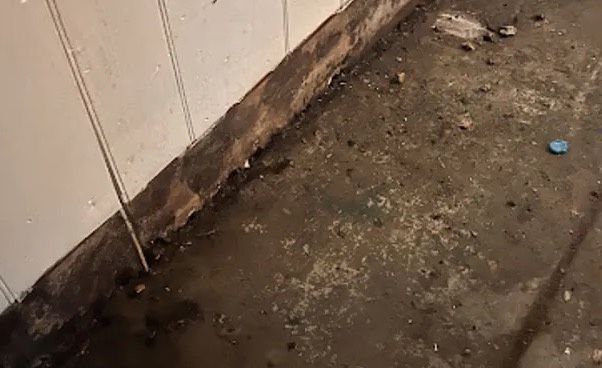
Dealing With the Unthinkable: Sewage Damage Restoration in Anoka, MN

Did you know that just one inch of standing sewage water can contaminate over 1,000 square feet of your home? It’s a fact that often surprises homeowners, but it highlights the critical need for immediate, professional attention when sewage backup occurs. Sewage damage is serious business. It’s not just about the mess; it’s about protecting your family’s health and the structural integrity of your property. We understand that discovering sewage in your home is incredibly stressful, and dealing with it promptly is essential to prevent further issues.

Around here, homeowners have trusted our team for over 165 five-star reviews when faced with the toughest sewage cleanup jobs. We’re known for our straightforward approach and getting the job done right the first time. You’ll find that our local crews are deeply familiar with the challenges properties in this area can face. We aim to make a difficult situation as manageable as possible for you and your family, focusing on clear communication and effective restoration.

  • We tackle the unseen threats, using specialized equipment to detect and eliminate bacteria, viruses, and mold spores that can linger after a sewage incident, safeguarding your family’s well-being.
  • Our team specializes in navigating the complexities of insurance claims for sewage damage, helping you document everything properly so you can get the coverage you’re entitled to without the added stress.
  • We go beyond just cleaning up the visible mess, focusing on drying out affected materials thoroughly to prevent long-term structural damage and mold growth, which can be costly down the line.
What Our Customers Say
We woke up to a burst pipe that had completely soaked our living room carpet. The crew arrived in less than an hour, extracted the water, and dried everything out before any permanent damage could happen. I honestly don't know what we would have done without them.
A heavy storm left two inches of standing water in my basement, and I was in a total panic. They showed up quickly, pumped it all out, and kept me updated every step of the way. My basement is dry and smells fresh again.
We noticed a weird smell and found black mold behind the drywall in our laundry room. The team was so careful about sealing off the area and explaining the whole cleanup process. It's such a relief knowing our home is safe for our kids again.
Our kitchen was ruined by a leak, and I was overwhelmed trying to figure out the insurance claim. The team handled all the documentation directly with my adjuster, which saved me so much stress. The repairs turned out beautifully.
A small grease fire in our kitchen left terrible smoke and soot damage everywhere. The technicians were incredibly respectful of our home and cleaned it up faster than I thought possible. They really helped us get our life back to normal.
Our main sewer line backed up into the downstairs bathroom, which was an absolute nightmare. They treated it as an emergency, sanitized the whole space, and got rid of the odor immediately. I was amazed at how clean and safe it felt afterward.

How Sewage Damage Restoration Actually Works

When sewage invades your home, a swift and methodical process is crucial. Cutting corners here doesn’t just leave a mess; it leaves behind health hazards and can lead to ongoing structural problems. Our approach is designed to address the contamination at its source, meticulously remove affected materials, and thoroughly dry and sanitize your property. We’ll work closely with your insurance adjuster to ensure all necessary steps are documented and approved, making the financial side of things as smooth as possible for you.

1. Emergency Response and Assessment

Once you call us, our technicians are on their way. We’ll arrive quickly to assess the scope of the sewage contamination. This involves identifying the source, determining the type of sewage (black, gray, or clear water), and mapping out the affected areas. Rapid response minimizes further damage and contamination spread throughout your property. This initial assessment is key to developing a precise restoration plan.

2. Containment of the Contaminated Area

To prevent the spread of harmful pathogens, we immediately set up containment barriers. This often involves using negative air machines and plastic sheeting to isolate the affected zones. Preventing cross-contamination is a top priority, ensuring that unaffected parts of your home remain safe. We take every precaution to protect your living space.

3. Water Extraction and Removal

Our crews use powerful, industrial-grade pumps and vacuums to remove standing sewage water as quickly as possible. The sooner we can extract the bulk of the water, the better we can control the damage and start the drying process. Efficient water extraction is critical to stopping the spread of contaminants and reducing overall restoration time.

4. Demolition and Material Removal

Unfortunately, porous materials like drywall, carpet, and insulation often cannot be salvaged after sewage contact. We carefully remove these items, following strict safety protocols. This step is essential for eliminating contaminated materials and making way for proper drying and sanitization. Safe demolition prevents exposure to hazardous waste.

5. Drying and Dehumidification

After removing damaged materials, we bring in specialized drying equipment, including air movers and dehumidifiers. These machines work tirelessly to remove moisture from structural components and the air. Thorough drying prevents mold growth and secondary damage. We monitor humidity and moisture levels closely until your property is completely dry.

6. Cleaning, Sanitizing, and Odor Removal

Once everything is dry, we deep clean and sanitize all affected surfaces. We use EPA-approved cleaning agents to kill remaining bacteria and viruses. Odor removal is also a critical part of this stage; we employ advanced techniques to eliminate any lingering smells. Effective sanitization ensures a healthy environment for your family to return to.

Don’t wait for the situation to worsen. Contact us immediately if you suspect sewage damage. We’re here to help you get your home back to normal, safely and efficiently.

Sewage Damage Restoration in Anoka, MN

Warning Signs You Need Sewage Damage Restoration

Sometimes, the signs of sewage issues aren’t immediately obvious. Catching these early warning signs can save you a lot of money and prevent serious health risks. Ignoring them could lead to much bigger, more expensive problems down the road.

Musty Odors That Won’t Go Away

A persistent, unpleasant smell, often described as musty or like rotten eggs, is a strong indicator of sewage backup or leaks. This smell often signals hidden contamination that needs professional attention. Don’t just mask it; investigate the source.

Water Backing Up in Drains

If water is backing up into sinks, tubs, or toilets when you’re not even using them, it’s a clear sign of a blockage or break in your sewer line. This is a critical warning sign that requires immediate intervention.

Slow Draining Fixtures

Multiple fixtures in your home draining slowly, especially if they’re on the same floor or in the same general area, can point to a partial clog or issue further down the main sewer line. Slow drains can precede a full backup.

Gurgling Sounds from Pipes

Unusual gurgling or bubbling noises coming from your plumbing system, particularly when you flush a toilet or run water, often indicate air being pushed back through the pipes due to a blockage. Listen for strange plumbing sounds.

Visible Sewage or Wastewater Outside

If you notice sewage or wastewater pooling on your lawn, around your cleanout access point, or near your foundation, it means your main sewer line is likely compromised. Exterior signs are direct evidence of a serious problem.

Mold or Mildew Growth

While not always directly from sewage, persistent dampness and odors can lead to mold growth. If you see unexplained mold, it could be a symptom of underlying moisture issues, potentially related to plumbing leaks. Mold indicates moisture problems that need addressing.

Why Choose Our Restoration Team
⏱️
60-Minute Emergency Response
We are on call 24/7—day or night—so our technicians will arrive within an hour to stop the water damage before it spreads.
📜
IICRC-Certified Restoration Technicians
Every technician on your property is fully licensed and certified—meaning we use the latest scientific drying techniques to completely protect your home's structural integrity.
📄
Direct Insurance Billing
We work directly with your insurance adjuster—handling all the paperwork and documentation—so you don't have to pay out of pocket for covered repairs.
💨
Commercial-Grade Structural Drying
We use thermal imaging cameras and industrial dehumidifiers—not standard fans—to detect and eliminate hidden moisture before mold can grow.
📍
Locally Owned and Operated
We are your neighbors—living and working right here—so we treat your home's emergency with the speed and care it deserves.
🔍
Free Inspections and Accurate Estimates
Our technicians evaluate the damage and provide a detailed—itemized estimate—before we ever begin work so you never face surprise charges.

Sewage Damage Restoration vs. DIY: When To Call a Professional

Situation DIY? Call a Pro? Why
Minor toilet overflow with no standing water Yes No Usually contained to the fixture and easily cleaned.
Standing sewage water on floors No Yes Sewage is a biohazard and requires specialized containment and cleaning.
Sewage backing up into multiple fixtures No Yes Indicates a problem with the main sewer line needing expert diagnosis.
Water damage affecting drywall or insulation Maybe (small area) Yes Porous materials can harbor pathogens and need careful removal and drying.
Persistent foul odors after cleanup No Yes Odors often mean contamination is still present or mold has begun to grow.
Insurance claim for sewage damage No Yes Professionals document damage extensively for insurance purposes.

While small, contained incidents might be manageable, any sewage backup involving standing water or contamination should be handled by professionals. The health risks and potential for long-term damage are simply too significant to tackle alone. We understand the financial concerns, which is why we work diligently with insurance.

Our Restoration Process
1
Rapid Emergency Dispatch
The moment you call our 24/7 dispatch center, our certified team mobilizes to arrive at your property within the hour. We assess your safety first—securing the area to prevent further deterioration.
2
Comprehensive Damage Assessment
Our technicians use advanced moisture meters and thermal imaging cameras to map out hidden hazards. We then provide a detailed, itemized plan of action and direct documentation for your insurance adjuster.
3
Strategic Hazard Mitigation
We deploy commercial-grade air scrubbers and specialized equipment to isolate the affected areas and stop secondary damage. Our crew immediately clears and sanitizes the space—stabilizing your property for full recovery.
4
Structural Restoration and Repairs
Our licensed specialists repair or replace all compromised materials to rebuild your home to its pre-loss condition. We handle everything from minor structural fixes to full-scale remodeling with unmatched craftsmanship.
5
Rigorous Final Verification
We perform a thorough final inspection using specialized sensors to verify that your home is completely safe and clean. We walk through the property with you—ensuring you are completely satisfied with our work.

Sewage Damage Restoration Cost In Anoka, MN

The cost of sewage damage restoration in Anoka, MN, can vary significantly based on the severity of the contamination, the size of the affected area, and the type of sewage involved. These figures are general estimates, and a precise quote requires an on-site inspection. Understanding these factors helps manage expectations.

Service Aspect Typical Price Range What Affects Cost
Emergency Water Extraction $500 – $2,500 Volume of water, accessibility of the area.
Containment and Safety Setup $300 – $1,000 Size of the affected zone, complexity of containment.
Demolition and Material Removal $750 – $4,000+ Amount of damaged materials, disposal fees.
Drying and Dehumidification $1,000 – $5,000+ Duration of drying needed, equipment used.
Cleaning and Sanitization $500 – $3,000+ Extent of contamination, types of cleaning agents required.
Odor Removal $300 – $1,500 Severity of odor, methods used (e.g., ozone treatment).

It’s important to remember that these are ranges for the restoration process itself. Getting a free estimate from our team will provide you with a much clearer picture of your specific situation. We’ll walk you through the costs and help you understand what your insurance may cover.

Service Areas Near Anoka, MN

Andover, Blaine, Brooklyn Center, Brooklyn Park, Champlin, Coon Rapids, Dayton, East Bethel, Elk River, Fridley, Ham Lake, Hassan, Hilltop, Lexington, Lino Lakes, Little Canada, Maple Grove, Minneapolis, Mounds View, Nowthen, Oak Grove, Osseo, Otsego, Plymouth, Ramsey, Robbinsdale, Rogers, Rosemount, Saint Anthony, Saint Francis, Saint Louis Park, Saint Michael, Shoreview, Spring Lake Park, Vadnais Heights, White Bear Lake, Zimmerman

Common Questions About Sewage Damage Restoration

What’s the difference between black water, gray water, and clear water?

Clear water typically comes from a burst pipe or appliance malfunction and is generally not a health hazard. Gray water comes from sources like washing machines or dishwashers and contains some contaminants. Black water is sewage, originating from the sewer line or toilet, and is highly contaminated with bacteria, viruses, and pathogens. It poses the most significant health risk and requires specialized handling. We’re equipped to handle all types of water damage, but black water cleanup is our priority for safety.

How long does sewage damage restoration typically take?

The timeline varies greatly depending on the extent of the damage, how quickly we can access the property, and the drying time needed. A minor incident might be resolved in a few days, while a severe backup could take weeks. Prompt professional intervention speeds up the process. We aim for efficiency while ensuring thoroughness, keeping you informed every step of the way.

Is sewage damage covered by homeowners insurance?

Often, yes, but it depends on your specific policy and the cause of the backup. Most policies cover sudden and accidental sewage backups. Damage caused by neglect or lack of maintenance might not be covered. We work directly with your insurance company to help document the claim and ensure you receive the coverage you’re entitled to. We can help you understand what your policy likely covers.

What are the health risks associated with sewage damage?

Sewage contains dangerous bacteria, viruses, and parasites that can cause serious illnesses like E. coli infections, Hepatitis A, and various gastrointestinal problems. Long-term exposure to contaminated environments can also lead to respiratory issues and allergic reactions. Protecting your family’s health is paramount. Our technicians use protective gear and EPA-approved sanitizers to make your home safe again.

Can I prevent sewage backups in my home?

Regular maintenance is key. Avoid flushing anything other than toilet paper, grease, and waste down drains and toilets. Consider installing backwater valves in your plumbing system, especially if you live in an area prone to backups. Preventative measures save significant trouble. If you’re unsure about your home’s vulnerability, we can offer advice during our assessments.

Check Our Other Relevant Services

Serving Anoka, MN And Nearby Areas

Similar Posts