Anoka, MN · Anoka County
Septic Tank Backup Water Removal in Anoka, MNSeptic Tank Backup Water Extraction & Septic System Water Damage Repair
Effective Septic Tank Backup Water Removal in Anoka stops septic overflow damage from spreading with septic backup sewage cleanup, septic overflow decontamination and emergency septic backup response.
Answered 24/7
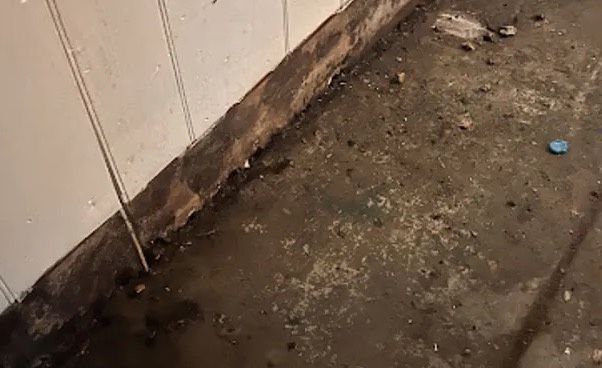
Septic Tank Backup Water Removal Specialists Serving Anoka
Septic tank flooding in Anoka presents a serious health risk due to pathogens and gases from the backup. The contaminated water can ruin flooring, drywall and personal belongings if not removed promptly.
Septic tank backup water removal services in Anoka are vital for homes that rely on septic systems, which can fail due to blockages or heavy use. Properties in nearby areas like Champlin, Ramsey and Andover also face similar risks from septic overflows.
The Septic Tank Backup Water Removal Process in Anoka
Septic Tank Backup Water Extraction
Industrial vacuums are deployed by local water extraction experts to handle the contaminated water from a septic tank failure. Prompt removal is the critical first step in the restoration protocol.
Septic System Water Damage Repair
The pros coordinate the repair phase, which may involve removing and reinstalling building materials affected by the backup.
Septic Tank Drain Backup Cleanup
The drain backup cleanup process includes extracting sewage water, flushing the affected pipes, and disinfecting all plumbing fixtures. The pros ensure the system is clean and functional.
Septic Backup Odor Removal
The pros tackle septic backup odors by treating affected structural materials and deodorizing the air. Effective odor removal is a key final step before reconstruction can be considered complete.
Septic Backup Sewage Cleanup
The pros clean up the sewage and treat every surface it touched to reduce health risks.
Indicators of a Septic Backup in Anoka
Drains Back Up After Heavy Rain
Drains that back up after storms often mean the drain field is saturated and the tank cannot drain.
Multiple Drains Backing Up Simultaneously
When several fixtures clog or drain slowly at once, the problem is usually the main line or the tank, not a single clog.
Overflow From Septic Tank Lid Area
Visible effluent or wet soil around the septic tank access lid is a clear sign the tank is full and septic system water removal is required.
Sewage Backup in Bathtub or Shower
Wastewater surfacing in tubs or showers, particularly on lower floors, is a dire warning of a main line septic backup cleanup emergency.
How Septic Tank Backup Water Removal Works in Anoka
Step 1: Septic Backup Inspection
Pros inspect the affected area first to plan how the sewage will be removed.
Step 2: Flood Water Extraction
Heavy-duty extractors pull the contaminated water out of floors, drains and carpet.
Step 3: Decontamination and Odor Control
The space is decontaminated and deodorized to remove bacteria and lingering odors.
Step 4: Structural Drying and Restoration
Affected materials are dried and readings confirm the area is dry before repairs begin.
Frequent Sources of Septic System Water Damage
Compacted Soil Over the Drain Field
Heavy vehicles or structures parked above the leach field prevent proper drainage. This compaction causes backups.
Full or Failing Septic Tank
A tank at capacity cannot accept new wastewater, causing immediate backups into your home. Regular pumping prevents this common septic tank backup cause.
Broken or Misaligned Sewer Pipes
Settling soil, age or pressure can break the main line from the house to the tank.
Improper Tank or System Design
A tank or drain field that is too small for the household leads to repeated backups.
Septic Tank Backup Water Removal for Any Property in Anoka
Residential Septic Tank Backup Water Removal
A septic backup in a home can soak subfloors, cabinets and belongings. The pros extract the sewage, remove what cannot be cleaned, disinfect and dry, and document the damage for your claim.
Commercial Septic Tank Backup Water Removal
Offices and multi-tenant buildings on septic systems need backups cleaned up with little disruption. The pros contain the area, extract the sewage and run air scrubbers for odor.
Handling a Septic Backup: DIY Risks in Anoka
You can safely turn off the water supply to toilets and appliances to prevent adding volume to the backup. Document visible damage with photos for your records.
What Influences Septic Tank Backup Water Removal Pricing in Anoka
The more complicated the backup, such as sewage under flooring or in several rooms, the more labor the cleanup takes.
Required Water Extraction
The amount of sewage to remove sets the number of pumps and the time needed on site.
Odor Removal Needs
Persistent septic backup odors often need advanced air scrubbing and sealing techniques, which require additional equipment and time to address effectively.
Structural Repairs
Any necessary septic system water damage repair, such as replacing subflooring or wall structures, is a separate line item in the restoration process.
Does Insurance Cover Septic Tank Backup Water Removal?
A claim for septic tank water extraction might be covered if the overflow resulted from a peril like a tree root invasion damaging the line. Always report the incident to your insurer promptly for guidance.
Why Choose Local Pros for Septic Tank Backup Water Removal in Anoka
24/7 Emergency Response
Septic backups demand immediate attention; the pros are available around the clock for emergency septic backup response calls.
Detailed Damage Documentation
Photos, moisture readings, and detailed notes are compiled for your septic water damage documentation to support insurance communications.
IICRC-Standard Decontamination
Septic overflow decontamination follows industry protocols to neutralize harmful pathogens and bacteria, making the affected area safe again.
Urgent Septic Tank Backup Water Removal Response in Anoka
Residential septic backup cleanup is urgent due to contamination risks. If you have a septic backup, get help now from the pros available 24/7 by contacting them at (651) 321-9769.
Call Now (651) 321-9769Septic Tank Backup Water Removal Available Around Anoka
In Anoka, septic backups are cleaned up by the pros, who also serve nearby places such as Champlin, Ramsey and Andover.
- Septic Tank Backup Water Removal in Champlin
- Septic Tank Backup Water Removal in Ramsey
- Septic Tank Backup Water Removal in Andover
- Septic Tank Backup Water Removal in Dayton
- Septic Tank Backup Water Removal in Maple Grove
- Septic Tank Backup Water Removal in Ham Lake
- Septic Tank Backup Water Removal in St. Francis
- Septic Tank Backup Water Removal in Elk River
- Emergency Damage Restoration in 55303
- Fire Damage Restoration in 55303
- Mold Remediation Services in 55303
- Storm Damage Restoration in 55303
- Water Damage Restoration in 55303
- Water Leak Detection in 55303
Septic Tank Backup Water Removal FAQ for Anoka
How do pros document septic system water damage?
They use moisture meters, thermal imaging cameras, and photography to map affected areas, creating a detailed report for your records and potential insurance claim submission.
What happens during septic tank water extraction?
Powerful submersible pumps and truck-mounted extractors are used to remove the bulk of the contaminated liquid from the property, which is the first critical step in the restoration process.
What's the risk of untreated septic tank drain backup?
Untreated backups pose significant health risks from bacteria and viruses, cause permanent structural damage, and lead to pervasive mold infestations, greatly increasing repair costs later.
How is septic tank drain backup cleanup performed?
Specialists clear the drain line if possible, then extract standing water and meticulously clean all fixtures and surfaces that came into contact with the contaminated backup.
What equipment is used for septic backup odor removal?
Air scrubbers with HEPA filters, ozone generators, thermal foggers, or hydroxyl machines are employed to neutralize odor-causing compounds in the air and within porous materials.