Anoka, MN · Anoka County
Gray Water Extraction (Category 2) in Anoka, MNSump Pump Failure Water Cleanup & Gray Water Carpet Extraction
Gray Water Extraction (Category 2) in Anoka covers appliance leak water cleanup, gray water carpet extraction and gray water damage drying.
Answered 24/7
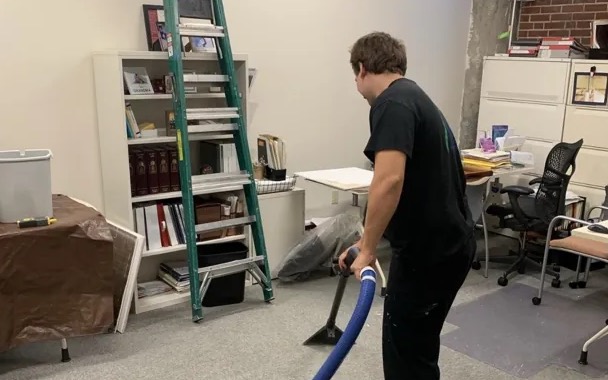
Professional Gray Water Extraction (Category 2) in Anoka, MN
In Anoka, gray water, also called Category 2, comes from washers, dishwashers and overflowing sinks. It can carry bacteria and soap residue, so it needs more care than clean water.
The water removal pros handle everything from initial extraction to final drying, serving Anoka and nearby places such as Champlin, Ramsey and Andover with 24/7 help capability.
Comprehensive Gray Water Extraction (Category 2) Solutions for Anoka
Sump Pump Failure Water Cleanup
After a sump pump failure, the water in the lower level is extracted first so it does not keep soaking the walls and floor.
Gray Water Carpet Extraction
Powerful wands pull moisture from deep within fibers to help salvage materials and mitigate health risks from contaminants.
Category 2 Water Damage Cleanup
The removal process typically uses pumps and extractors for rapid water extraction, aiming to prevent mold and structural issues in homes throughout Anoka.
Gray Water Flood Extraction
High-capacity pumps are deployed to mitigate damage and reduce the potential for mold growth in the affected area.
Contaminated Water Removal
The extraction process typically uses specialized equipment to remove the water methodically, aiming to prevent the spread of pollutants to other areas of the property.
Indicators That Require Gray Water Extraction (Category 2)
Sump Pump Failure Backup
Water backing up after a sump pump fails is dirty and needs extraction and cleaning.
Visible Standing Gray Water
Pooled water from a washer, dishwasher or toilet overflow can carry bacteria and should be removed quickly.
Musty Odor Lingering Indoors
A musty smell after a gray water leak means water is trapped in materials and affecting the air.
Warped or Buckling Floorboards
Wood floors that warp or buckle after a leak have likely absorbed gray water into the boards.
How Gray Water Extraction (Category 2) Works in Anoka
Step 1: Category 2 Water Assessment
Work starts with a check of how far the gray water spread, using moisture meters and thermal cameras.
Step 2: Flood Water Extraction
Extraction equipment then removes the bulk of the gray water from the wettest areas first.
Step 3: Structural Drying Process
Air movers and dehumidifiers dry the hidden moisture in walls, floors and cavities.
Step 4: Final Cleanup and Verification
Cleanup concludes with verification drying goals are met and the area is treated for contaminants.
Common Causes of Gray Water Damage in Anoka
HVAC Condensate Drain Backup
A clogged condensate drain line from an air conditioner can overflow and soak the floor nearby.
Aquarium or Waterbed Rupture
The rupture of an aquarium or waterbed releases large volumes of water.
Plumbing Drain Line Backup
A partial sewer backup without solid waste leaves gray water that still needs sanitizing.
Toilet Overflow With Urine
An overflow containing urine but no feces creates category 2 water damage.
Gray Water Extraction (Category 2) for Homes and Businesses in Anoka
Residential Gray Water Extraction (Category 2)
In homes, a failed sump pump can flood a basement or crawl space. Local water restoration experts remove the water, dry the space and document the damage for your claim.
Commercial Gray Water Extraction (Category 2)
In warehouses and plants, leaks from process equipment can spread gray water widely. Cleanup protects machinery and stock and gets the space back in use.
The Risks of DIY Gray Water Extraction (Category 2) Attempts
You can document the damage for your insurance by taking clear photos and videos of the affected areas and the source. Do not start demolition or tear out materials, as this can complicate the claims process.
Factors Influencing Gray Water Extraction (Category 2) Cost in Anoka, MN
Water extraction services pricing in Anoka considers the volume of gray water, the number of rooms impacted, and any structural materials.
Extraction Volume
The amount of Category 2 water to remove sets how long equipment runs and how much labor is needed.
Drying Time Duration
The number of drying days with commercial equipment affects the overall cost.
Water Source Complexity
Leaks from appliances or drain lines in tight spaces take more work to reach.
Does Insurance Cover Gray Water Extraction (Category 2)?
The experts in Anoka provide detailed documentation of the gray water flood extraction process to support the claim, but property owners must confirm coverage directly with their insurance company.
Why Choose Professional Gray Water Extraction (Category 2) in Anoka
Detailed Damage Documentation
Photos and moisture maps give you a clear record for your files or insurance claim.
Material-Specific Techniques
Carpet and hard floors are extracted with different methods suited to each.
Structured Drying Process
Drying is controlled by managing airflow, humidity and temperature, with daily readings to track progress.
24/7 Emergency Gray Water Extraction (Category 2) Available in Anoka
Waiting on gray water cleanup can lead to bigger repairs. Call (651) 321-9769 day or night to reach the experts in Anoka.
Call Now (651) 321-9769Communities Served for Gray Water Extraction (Category 2) Near Anoka
For gray water extraction and contaminated water removal in Anoka, MN, the experts also help residents in Champlin, Ramsey and Andover.
- Gray Water Extraction (Category 2) in Champlin
- Gray Water Extraction (Category 2) in Ramsey
- Gray Water Extraction (Category 2) in Andover
- Gray Water Extraction (Category 2) in Dayton
- Gray Water Extraction (Category 2) in Maple Grove
- Gray Water Extraction (Category 2) in Ham Lake
- Gray Water Extraction (Category 2) in St. Francis
- Gray Water Extraction (Category 2) in Elk River
- Emergency Damage Restoration in 55303
- Fire Damage Restoration in 55303
- Mold Remediation Services in 55303
- Storm Damage Restoration in 55303
- Water Damage Restoration in 55303
- Water Leak Detection in 55303
Common Gray Water Extraction (Category 2) Questions Answered
How quickly should gray water extraction begin?
Gray water cleanup should start as soon as possible to limit damage and reduce health risks.
How long does the gray water cleanup process typically take?
Simple gray water removal might take a day, while larger areas needing drying and sanitizing can take several days.
Why is professional water extraction services needed for gray water?
Contaminated water needs protective gear, disinfectants and moisture meters that most homeowners do not have.
Does gray water removal require personal protective equipment?
Yes, the pros wear appropriate PPE like gloves, goggles, and sometimes respirators while removing contaminated water.
Are belongings salvageable after gray water contamination?
Porous materials like cardboard or certain fabrics may need to be discarded, depending on the contamination level.