Anoka, MN · Anoka County
Water Heater Burst Water Removal in Anoka, MNBurst Pipe Mold Prevention & Burst Water Heater Damage Cleanup
Water Heater Burst Water Removal in Anoka handles wet drywall removal after burst, water damaged floor removal, and emergency burst heater cleanup.
Answered 24/7
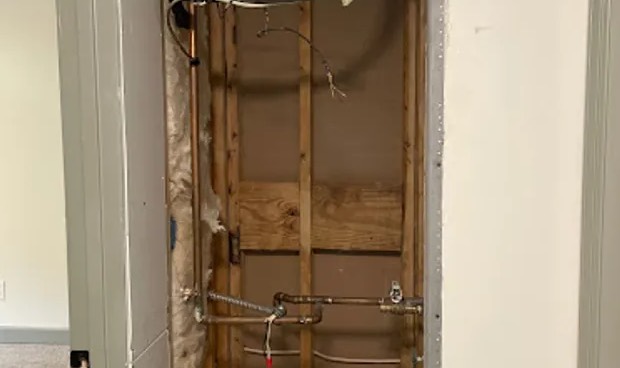
Professional Water Heater Burst Water Removal in Anoka, MN
In Anoka, a burst heater lets water pool and wick into drywall, subfloors and base materials. Cleaning it up quickly limits the scope and cost of repairs.
In Anoka and nearby Champlin, Ramsey and Andover, local water damage pros extract water after a heater bursts, check for hidden moisture, remove wet drywall and dry the area for repairs.
Water Heater Burst Water Removal Services in Anoka
Burst Pipe Mold Prevention
Mold can start within 24 to 48 hours after a heater bursts. Local water damage pros in Anoka dry the area and may apply antimicrobial treatment.
Burst Water Heater Damage Cleanup
Cleanup goes beyond drying. The pros remove debris, clean walls, and treat surfaces to prevent odors using industry-standard methods.
Water Heater Burst Water Extraction
After a heater bursts, the pros in Anoka use powerful pumps to remove the standing water before it soaks into floors and walls.
Emergency Burst Heater Cleanup
Emergency services prioritize action. The pros respond at any hour to extract water, assess hazards, and secure the area.
Hot Water Leak Drying Services
Drying targets unseen moisture. After a burst, warm water seeps deep into materials. Experts use ventilation and dehumidification to draw it out.
Indicators You Need Emergency Water Removal in Anoka
Wet Floors or Baseboards Nearby
Damp flooring or baseboards near the water heater mean water is spreading into the room.
Visible Corrosion on the Tank
Obvious rust or corrosion on the exterior of the tank weakens its structure. This is a major risk factor for a catastrophic water heater flood.
Sudden Loss of Hot Water
Suddenly losing hot water can mean the water heater has failed inside. Check the base of the tank for water.
Water Pressure Fluctuations
Uneven hot water pressure can point to problems with the heater or its connections.
How Water Heater Burst Water Removal Works in Anoka
Step 1: Flood Water Removal Response
The response begins with the urgent task of water heater flood water removal. Using powerful extraction tools, pros remove the bulk of the water to minimize soaking into structural elements.
Step 2: Detailed Damage Evaluation and Documentation
Pros document the damage with photos and moisture readings for your insurance claim before cleanup starts.
Step 3: Strategic Placement of Drying Equipment
Air movers and dehumidifiers are placed to move air across every wet surface in the room.
Step 4: Removal of Non-Restorable Materials
Soggy, non-salvageable materials like damaged flooring and insulation are carefully removed. This water damaged floor removal step eliminates materials that could harbor mold and impede proper drying.
Common Causes of Water Heater Bursts in Anoka
Faulty or Failing Temperature Valve
A malfunctioning temperature and pressure relief valve cannot release excess pressure. This trapped pressure builds until it forces a rupture in the tank's weakest point.
Improper Installation or Sizing
An incorrectly installed or undersized water heater works harder and experiences more stress. This strain accelerates wear and increases the risk of a catastrophic failure.
Frozen Water Heater Pipes
In cold climates, water inside inlet or outlet pipes can freeze and expand. This ice pressure can crack pipes or damage connections at the tank itself.
Excessive Internal Water Pressure
Faulty pressure relief valves or thermal expansion can cause pressure to spike inside the tank.
Water Heater Burst Water Removal for Homes and Businesses in Anoka
Residential Water Heater Burst Water Removal
At home, local pros remove the water and dry the area fully to prevent mold, keeping the living space safe and protecting the home's value.
Commercial Water Heater Burst Water Removal
For businesses, downtime costs money. Pros remove the water and coordinate repairs so the business can reopen soon after a water heater burst.
When to Handle Water Damage Yourself in Anoka
To improve air circulation, you can set up fans to blow air across wet surfaces, but avoid using them if electrical outlets are wet. Do not use a standard household vacuum to remove water, as this is dangerous and ineffective. For thorough water removal and to prevent mold, it's time to call professionals who specialize in hot water leak drying services.
Factors Affecting Water Heater Burst Water Removal Cost in Anoka
The cost of water heater burst water removal in Anoka depends on the volume of hot water released and the number of rooms impacted by the initial flood.
Structural Repairs
Any necessary removal and replacement of water-damaged building materials like drywall or flooring is a separate factor in the final cost.
Required Equipment
The number of industrial-grade extractors, air movers, and dehumidifiers needed for thorough drying influences the equipment rental and operation costs.
Duration of Leak
How long the hot water leaked before discovery affects how deeply moisture penetrates, increasing the complexity and cost of drying.
Does Insurance Cover Water Heater Burst Water Removal?
Coverage for emergency water removal after a heater burst is a policy matter. The pros in Anoka create a thorough record of moisture levels and damaged materials to assist your insurance claim process.
Advantages of Professional Water Heater Burst Water Removal in Anoka
Contained Demolition
When necessary, wet drywall removal or damaged floor removal is performed neatly to minimize disruption and prepare for repairs.
Comprehensive Damage Assessment
An initial inspection evaluates the full extent of the burst heater's impact, informing an effective water removal and drying plan.
Thorough Structural Drying
The process uses industrial air movers and dehumidifiers to dry affected materials properly, a key step in water damage restoration.
24 Hour Burst Water Heater Cleanup in Anoka
Hot water from a leaking heater causes rapid damage to floors and walls. Contact the experts at (651) 321-9769 for 24/7 emergency burst heater cleanup and water removal services.
Call Now (651) 321-9769Water Heater Burst Water Removal Near Anoka: Areas Served
Water heater burst water removal services address the urgent need to extract hot water and dry out rooms in Anoka and nearby areas like Champlin, Ramsey and Andover.
- Water Heater Burst Water Removal in Champlin
- Water Heater Burst Water Removal in Ramsey
- Water Heater Burst Water Removal in Andover
- Water Heater Burst Water Removal in Dayton
- Water Heater Burst Water Removal in Maple Grove
- Water Heater Burst Water Removal in Ham Lake
- Water Heater Burst Water Removal in St. Francis
- Water Heater Burst Water Removal in Elk River
- Emergency Damage Restoration in 55303
- Fire Damage Restoration in 55303
- Mold Remediation Services in 55303
- Storm Damage Restoration in 55303
- Water Damage Restoration in 55303
- Water Leak Detection in 55303
Water Heater Burst Water Removal FAQs
What areas are affected by water heater flood water removal?
Usually the utility room and nearby floors, and water can reach basements, garages or living spaces, each of which needs drying.
Why is specialized drying needed for a hot water leak?
Hot water can soak into materials faster than cold, so drying needs to reach deeper.
What is involved in water heater burst water removal?
Pros extract the standing water, dry the affected materials with industrial equipment, inspect for moisture and remove wet drywall when needed.
How long does the water heater burst cleanup process take?
Duration depends on the leak's volume and affected materials. Water extraction may take hours, while thorough structural drying often requires several days of monitored effort.
Can a burst water heater cause mold growth?
Yes. Warm water and moisture can lead to mold, so extraction and drying matter.