Shorewood, MN · Hennepin County
Behind Wall Water Extraction in Shorewood, MNMoisture Barrier Installation & Emergency Behind Wall Water Removal
Get behind wall water extraction in Shorewood for emergency behind wall water removal, wall cavity water extraction and interior wall drying services.
Answered 24/7
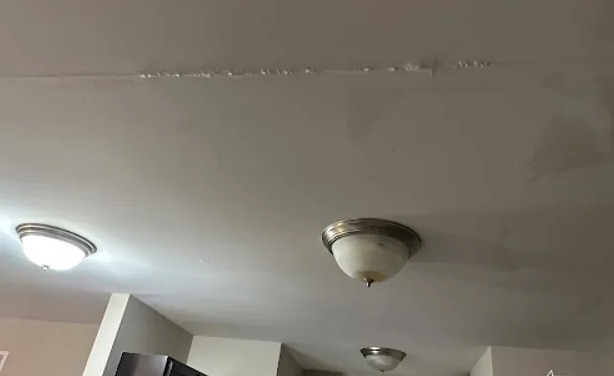
Behind Wall Water Extraction by Water Damage Pros in Shorewood
A wall cavity has almost no airflow, so water that gets in stays in. In Shorewood homes, insulation and wood framing can remain wet long after the leak stops if nothing is done.
In Shorewood, Deephaven, Excelsior and Wayzata, many wall leaks start at windows and exterior penetrations during storms. The pros dry the cavity and note the entry point.
Specialized Behind Wall Water Extraction Methods in Shorewood
Moisture Barrier Installation
Some exterior walls have a plastic vapor barrier behind the drywall. After drying, a damaged barrier is replaced so the wall works as designed.
Emergency Behind Wall Water Removal
A burst pipe inside a wall can flood the floor and the room below quickly. Fast extraction limits how far it spreads.
Post-Extraction Wall Sanitization
Treatment is done on dry surfaces, after removal and drying, so it does not trap moisture inside the wall.
Wall Leak Source Identification
Finding the source matters because drying is wasted if the wall keeps getting wet. The source is noted for your plumber or roofer.
Hidden Water Damage Detection
Readings taken through the drywall show which sections are wet, so only those need to be opened or dried.
Do You Need Behind Wall Water Extraction? Common Signs in Shorewood
Condensation or Efflorescence
White, powdery deposits on masonry walls mean water is moving through them.
Unexplained Water Stains
A stain on a wall with no obvious source usually means water is coming from inside the wall or above it.
Paint or Wallpaper Blistering
Paint or wallpaper that blisters or peels is often lifting from moisture behind it.
Mold on Baseboards
Dark spots along baseboards mean water has been collecting at the bottom of the wall for days.
How Behind Wall Water Extraction Works in Shorewood
Step 1: Wall Leak Source Identification
The pros trace the water to a pipe, fixture, window or roof leak and note it for repair.
Step 2: Controlled Access and Water Removal
The wall is opened only where needed, and standing water is extracted from the cavity.
Step 3: Wall Cavity Drying
Air movers and dehumidifiers dry the studs, plates and the back of the drywall.
Step 4: Damaged Material Removal and Cleanup
Drywall and insulation that cannot be saved are removed, and the area is cleaned up.
Leading Causes of Wall Water Damage in Shorewood
Appliance Supply Line Leaks
Supply lines for refrigerators, washers and dishwashers can leak into the wall behind them.
Foundation Cracks and Seepage
Groundwater seeping through foundation cracks can wet the bottom of lower-level walls.
Window or Door Seal Failure
Worn caulk and flashing around windows and doors let rain into the wall during storms.
Overflow From Adjacent Rooms
Water from an overflowing tub or burst line in the next room runs under the wall into its cavity.
Behind Wall Water Extraction for Homes and Businesses in Shorewood
Residential Behind Wall Water Extraction
In apartments and condos, a leak in one wall can reach the unit next door. Both sides of a shared wall are checked and dried, with records for each.
Commercial Behind Wall Water Extraction
Property managers get photos, readings and source notes for each affected unit, which helps with plumbing repairs and insurance.
Should You Attempt Behind Wall Water Extraction Yourself in Shorewood?
Cutting into a wall without knowing where pipes and wires run can make things worse. Let local restoration pros map the wet area first, then open the wall only where needed.
Understanding Behind Wall Water Extraction Costs in Shorewood
A wall leak caught early in Shorewood usually costs far less than one that ran for months and rotted the bottom plate.
Drying Equipment Used
The number of air movers and dehumidifiers, and how long they run, affect the total.
Insulation Involvement
Wet insulation must usually be removed and replaced, which adds labor and material costs.
Leak Source Complexity
Leaks that are hard to trace, such as roof water running down a wall, take more inspection time.
Does Insurance Cover Behind Wall Water Extraction?
Photograph the stain, the opened wall and the leaking pipe or fitting before repairs, and keep receipts for emergency extraction and drying.
Why Choose Local Pros for Behind Wall Water Extraction in Shorewood
Post-Extraction Sanitization
Cavities touched by dirty water are cleaned and disinfected before they are closed.
24/7 Emergency Response
Help is available day or night when a pipe bursts inside a wall.
Industry Drying Standards
Drying follows industry water damage standards, with readings taken at every visit.
24/7 Emergency Behind Wall Water Extraction in Shorewood, Minnesota
Night, weekend or holiday, the pros handle water inside walls in Shorewood. Call (651) 321-9769 to get the water out and drying started.
Call Now (651) 321-9769Behind Wall Water Extraction in Shorewood and Other Areas Served
Other places served are listed below, each with its own page.
- Behind Wall Water Extraction in Deephaven
- Behind Wall Water Extraction in Excelsior
- Behind Wall Water Extraction in Wayzata
- Behind Wall Water Extraction in Minnetonka
- Behind Wall Water Extraction in Orono
- Behind Wall Water Extraction in Andover
- Behind Wall Water Extraction in Anoka
- Behind Wall Water Extraction in Champlin
Frequently Asked Questions About Behind Wall Water Extraction in Shorewood
What happens during a wall moisture inspection?
Readings are taken across the wall and nearby floors and walls, and thermal images show the wet pattern.
What follows after behind wall water removal?
Once readings are normal, insulation is replaced, drywall is patched and the wall is finished and painted.
Can hidden water damage in walls affect indoor air?
Wet framing and insulation can cause musty odors and microbial growth, which is why drying the cavity matters.
Is wall cavity drying always needed after extraction?
Yes. Extraction removes standing water, but studs, plates and insulation stay wet inside a closed wall unless they are dried.
Does water extraction require cutting into drywall?
Not always. Small holes or removed baseboards are often enough. Larger cuts are made only where drywall is ruined.