Anoka, MN · Anoka County
Behind Wall Water Extraction in Anoka, MNInterior Wall Drying Services & Hidden Water Damage Detection
Behind Wall Water Extraction in Anoka covers hidden water damage detection, wall cavity water extraction and interior wall drying services.
Answered 24/7
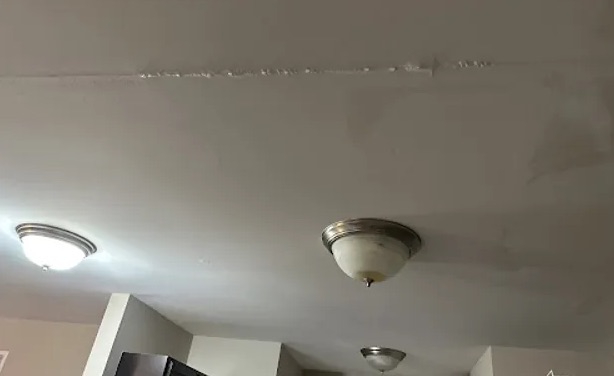
Expert Behind Wall Water Extraction Services for Anoka Homes
Behind Wall Water Extraction in Anoka usually starts with a clue: a stain, a soft spot, a musty smell or a water bill that jumped. The job is to turn that clue into a map of where the water is.
In Anoka, Champlin, Ramsey and Andover, many wall leaks start at windows and exterior penetrations during storms. The pros dry the cavity and note the entry point.
Specialized Behind Wall Water Extraction Methods in Anoka
Interior Wall Drying Services
Dry air is pushed into the wall cavity through small holes near the base, while dehumidifiers pull moisture out of the room.
Hidden Water Damage Detection
Readings taken through the drywall show which sections are wet, so only those need to be opened or dried.
Post-Extraction Wall Sanitization
After drying, framing and the back of drywall can be cleaned and treated with an antimicrobial where they stayed wet.
Wall Leak Source Identification
The pros trace water in a wall back to its source, such as a supply line, drain, window, roof or shower, so it can be repaired.
Moisture Barrier Installation
A vapor barrier that trapped water against the studs is removed during drying, and a new one is installed only after readings are normal.
How to Tell If You Need Behind Wall Water Extraction in Anoka
Musty Odors in Rooms
A musty smell in one room, especially near a wall with plumbing, often points to a hidden leak.
Condensation or Efflorescence
White, powdery deposits on masonry walls mean water is moving through them.
Increased Humidity in Home
A home that feels more humid than usual can have wet materials inside the walls.
Sounds of Dripping Inside Walls
Dripping or running water sounds inside a wall when no fixture is on usually mean a pipe leak.
How Behind Wall Water Extraction Works in Anoka
Step 1: Non-Invasive Moisture Detection
Readings through the drywall show the wet area before any holes are made.
Step 2: Strategic Water Extraction
Small access points let water drain and be extracted from the bottom of the cavity.
Step 3: Structural Cavity Drying
Directed airflow dries the studs and plates, with equipment adjusted each day as readings drop.
Step 4: Area Sanitization and Monitoring
Surfaces are cleaned, framing that stayed wet is treated and readings are logged until dry.
Common Causes of Hidden Water Damage in Anoka
Roof Leak Seeping Down Walls
Rain from a roof leak can run down the inside of an exterior wall and soak the bottom of it.
Leaking Plumbing Inside Walls
Supply lines, drains and fittings inside walls can drip for months before the damage shows.
Faulty Shower or Tub Enclosure
Failed grout, caulk or a shower valve leak lets water into the wall behind the shower.
Overflow From Adjacent Rooms
Water from an overflowing tub or burst line in the next room runs under the wall into its cavity.
Both Residential & Commercial Behind Wall Water Extraction in Anoka
Residential Behind Wall Water Extraction
In homes, behind-wall leaks often start at a bathroom, kitchen or laundry wall. Water is found, the wall opened where needed and the cavity dried so the room can be repaired.
Commercial Behind Wall Water Extraction
In offices and stores, wall leaks can damage wiring, finishes and stock along the wall. Work is planned around business hours, and access holes are kept small where possible.
DIY Risks for Behind Wall Water Extraction in Anoka Homes
You can shut off the water, turn off power to outlets on the wet wall and take photos. Finding and drying water inside a wall takes meters, thermal cameras and drying equipment.
Understanding Behind Wall Water Extraction Costs in Anoka
In Anoka, drying a wall through small holes usually costs less than cutting out and replacing large sections of drywall.
Drying Equipment Used
The number of air movers and dehumidifiers, and how long they run, affect the total.
Wall Area Affected
A wet section a few feet wide costs less to dry than water spread along a whole wall or several rooms.
Sanitization Requirements
Water from a drain or sewer line requires cleaning and disinfection of the wall cavity.
Does Insurance Cover Behind Wall Water Extraction?
Photograph the stain, the opened wall and the leaking pipe or fitting before repairs, and keep receipts for emergency extraction and drying.
Advantages of Hiring Local Pros for Behind Wall Water Extraction in Anoka
Controlled Demolition Practices
Walls are opened only where readings show water, which keeps repairs smaller.
Detailed Claim Documentation
Photos, readings and drying logs are kept to support your insurance claim.
Moisture Barrier Expertise
Vapor barriers in exterior walls are replaced after drying, so the wall works as designed.
Emergency Behind Wall Water Extraction Response in Anoka, MN
The longer water sits inside a wall, the more framing and drywall rot. Call (651) 321-9769 for behind wall water extraction in Anoka as soon as you notice signs.
Call Now (651) 321-9769Behind Wall Water Extraction Near Anoka: Areas Served
Need behind wall water extraction outside Anoka? Service also covers Champlin, Ramsey and Andover, including emergency help for burst pipes.
- Behind Wall Water Extraction in Champlin
- Behind Wall Water Extraction in Ramsey
- Behind Wall Water Extraction in Andover
- Behind Wall Water Extraction in Dayton
- Behind Wall Water Extraction in Maple Grove
- Behind Wall Water Extraction in Ham Lake
- Behind Wall Water Extraction in St. Francis
- Behind Wall Water Extraction in Elk River
- Emergency Damage Restoration in 55303
- Fire Damage Restoration in 55303
- Mold Remediation Services in 55303
- Storm Damage Restoration in 55303
- Water Damage Restoration in 55303
- Water Leak Detection in 55303
Common Behind Wall Water Extraction Questions Answered
What happens during a wall moisture inspection?
Readings are taken across the wall and nearby floors and walls, and thermal images show the wet pattern.
How is a wall leak detected without visible signs?
Thermal cameras and meters can find cool, wet areas, and a water meter test can show a hidden supply leak.
What is behind wall water extraction?
Finding water inside a wall cavity, removing it through small openings or removed drywall, and drying the framing and insulation until readings are normal.
Why is post-extraction wall sanitization important?
Framing that stayed wet, or was reached by drain water, can be cleaned and treated so odors and mold do not develop.
Is wall cavity drying always needed after extraction?
Yes. Extraction removes standing water, but studs, plates and insulation stay wet inside a closed wall unless they are dried.