Anoka, MN · Anoka County
AC Unit Water Removal in Anoka, MNAC Leak Water Extraction & AC Leak Water Cleanup
AC Unit Water Removal in Anoka covers AC leak water cleanup, AC condensate drain clearing and wet AC unit component drying.
Answered 24/7
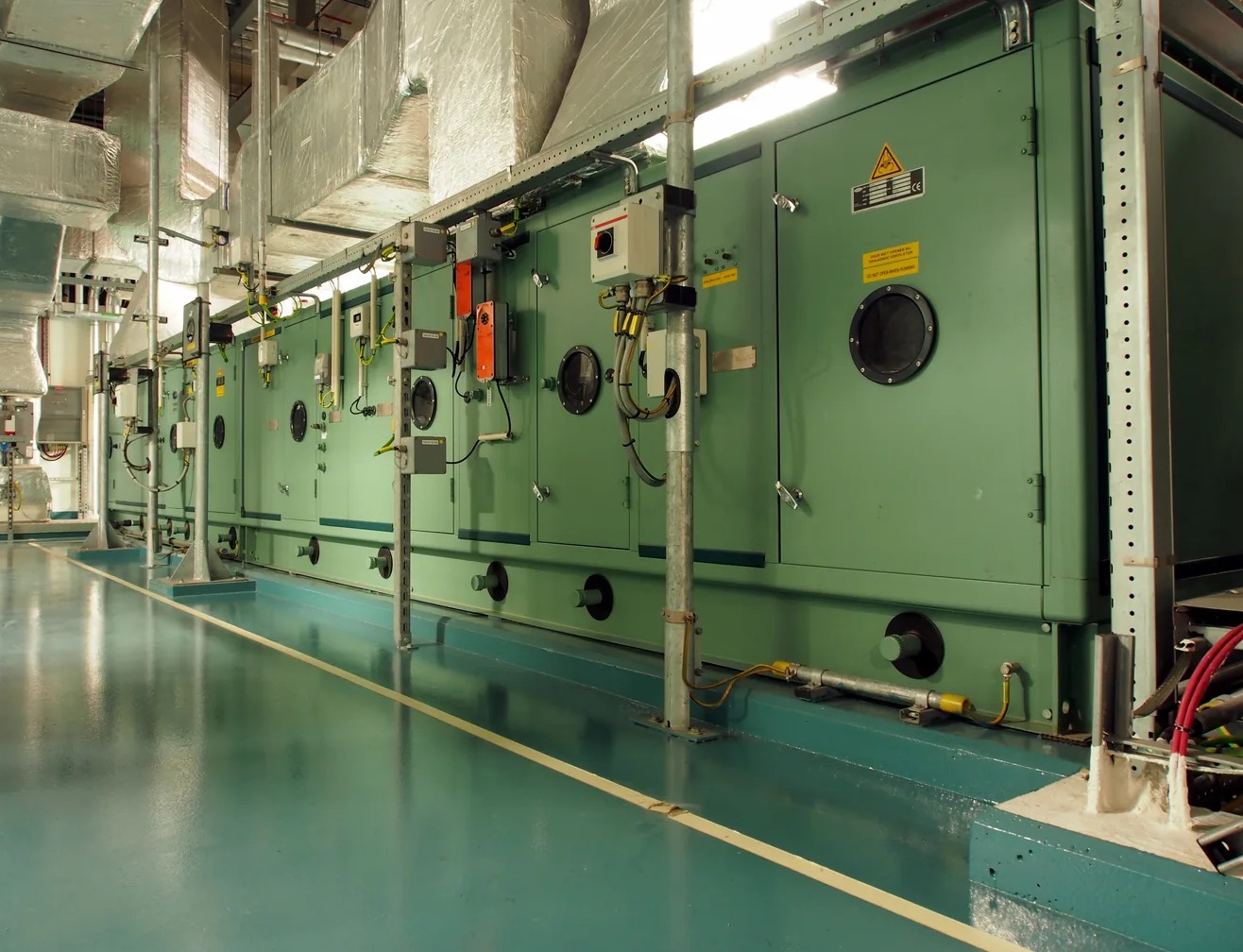
Expert AC Unit Water Removal for Anoka Homes
An air conditioner pulls gallons of water out of the air on a hot day. When the drain line clogs or the pan cracks, that water lands on ceilings, walls and floors in Anoka homes instead of draining outside.
In Anoka, AC leaks usually show up as ceiling stains under attic units, wet carpet near the furnace closet or water dripping from a vent. Help with AC unit water removal is available across Anoka and in Champlin, Ramsey and Andover, day or night, with extraction, drain clearing and drying.
Complete AC Unit Water Removal and Repair in Anoka
AC Leak Water Extraction
Water is removed from every wet surface the leak reached, including closets and rooms below an attic air handler.
AC Leak Water Cleanup
Standing water around the indoor unit is pumped and vacuumed up first, before it wicks into drywall, baseboards or the subfloor.
AC Condensate Drain Clearing
The PVC drain line is cleared with suction or a flush, and the trap is checked so water stops backing up into the pan.
AC Drain Pan Water Extraction
Both the primary pan and the secondary safety pan are emptied, and the pan is inspected for rust holes or cracks.
Wet AC Unit Component Drying
Air movers and a dehumidifier are set around the unit, and moisture readings are taken until the metal and insulation test dry.
Indicators for Emergency AC Unit Water Removal
Water on the Floor
A puddle around the air handler or furnace closet is the most direct sign of a leak.
AC Unit Circuit Breaker Trips
Water reaching electrical parts can trip the breaker. Shut the unit off and call before resetting it again.
Wet AC Unit Components
Damp coils, a wet blower compartment or moisture around wiring inside the cabinet mean water is collecting where it should not.
AC Drain Pan Overflow
Water at the rim of the drain pan, or in the secondary pan, means the condensate line is blocked.
How AC Unit Water Removal Works in Anoka
Step 1: Leak Assessment
The pros find the source of the leak, check how far the water spread and take moisture readings.
Step 2: Source Stop and Water Removal
The drain is cleared or the leaking part isolated, then standing water is extracted from every wet area.
Step 3: System Drying and Dehumidification
Drying equipment runs until walls, floors and insulation test dry, with readings taken at each visit.
Step 4: Verification and Restoration
Final readings confirm the materials are dry, then damaged drywall, trim or ceiling panels can be replaced.
Common Causes of AC Unit Water Damage in Anoka
Excess Outdoor Humidity
Very humid air makes the coil produce more water than a partly clogged drain can carry.
Failed Condensate Pump
Units that pump condensate uphill depend on a small pump. When it fails, the reservoir overflows.
High Static Pressure in Ducts
Restricted ducts can pull water off the coil and blow it into the cabinet or ductwork.
Clogged AC Condensation Line
Algae and sludge build up in the drain line over a cooling season until water backs up into the pan.
Residential and Commercial AC Unit Water Removal in Anoka
Residential AC Unit Water Removal
In apartments and condos, an AC leak can spread through the floor or ceiling to the unit below. Fast extraction limits the spread and the number of neighbors affected.
Commercial AC Unit Water Removal
In restaurants and retail spaces, water near equipment, wiring and walkways is removed first. That reduces slip and electrical hazards while the rest of the area dries.
Professional AC Unit Water Removal or DIY Cleanup in Anoka
Box fans move air across a wet surface, but they often leave water trapped in wall cavities and under flooring. Professional drying uses moisture readings to confirm the hidden areas behind walls and under floors are dry too.
Estimating Your AC Unit Water Removal Cost in Anoka
The cost of AC unit water removal in Anoka depends on how much water leaked, which materials got wet and how long drying takes. A clogged line caught early costs far less than a soaked ceiling.
System Restoration Complexity
Replacing drywall, insulation or trim after drying adds material and labor to the total.
Secondary Damage Presence
Wet ceilings, swollen baseboards or damp framing add removal and repair work to the job.
Preventative Treatment Scope
Antimicrobial treatment is an optional step, priced by the size of the area treated.
Does Insurance Cover AC Unit Water Removal?
Photos, moisture readings and a written scope from local water extraction experts help support an insurance claim for AC water damage in Anoka. Keep copies of everything you send your adjuster, along with your own photos.
Reasons to Select Local Pros in Anoka for AC Unit Water Removal
Systematic Drain Line Clearing
The condensate line is cleared, not just the water mopped up, so the leak does not come right back.
Leak Source Identification
The pros trace the leak to its source, whether that is a clog, a cracked pan or a failed pump.
Drain Pan Extraction
Both the main pan and the safety pan are emptied and checked for damage.
Round-the-Clock Emergency AC Unit Water Removal in Anoka
Every hour of standing water means more drying later and more materials to replace. Call (651) 321-9769 for AC unit water removal in Anoka as soon as you see the leak.
Call Now (651) 321-9769AC Unit Water Removal Throughout Anoka and Beyond
Help with AC unit water removal is also available in communities near Anoka, including Champlin, Ramsey and Andover, for leaking air handlers and overflowing drain pans.
- AC Unit Water Removal in Champlin
- AC Unit Water Removal in Ramsey
- AC Unit Water Removal in Andover
- AC Unit Water Removal in Dayton
- AC Unit Water Removal in Maple Grove
- AC Unit Water Removal in Ham Lake
- AC Unit Water Removal in St. Francis
- AC Unit Water Removal in Elk River
- Emergency Damage Restoration in 55303
- Fire Damage Restoration in 55303
- Mold Remediation Services in 55303
- Storm Damage Restoration in 55303
- Water Damage Restoration in 55303
- Water Leak Detection in 55303
Common AC Unit Water Removal Questions Answered
What clogs an AC condensate line?
Algae, sludge, dust and debris build up inside the line, especially over long cooling seasons, until water backs up into the pan.
What does emergency AC water removal include?
Shutting off the unit, extracting standing water, clearing the drain and starting drying equipment, at any hour.
What happens during AC water extraction?
Pumps and extractors remove water from the pan, floor and carpet, then moisture meters check walls and subfloor for hidden water.
Why document AC water damage?
Photos and moisture readings show what got wet and how it was dried, which helps your insurance claim.
How does antimicrobial treatment help after an AC leak?
Once surfaces are dry, an antimicrobial can be applied to wood and drywall that stayed wet to slow microbial growth.