St. Paul Park, MN · Washington County
Tree Root Pipe Damage Water Removal in St. Paul Park, MNRoot Intrusion Water Damage Restoration & Emergency Pipe Water Extraction
Tree Root Pipe Damage Water Removal in St. Paul Park handles pipe burst water removal, broken pipe water extraction, and water damaged floor removal.
Answered 24/7
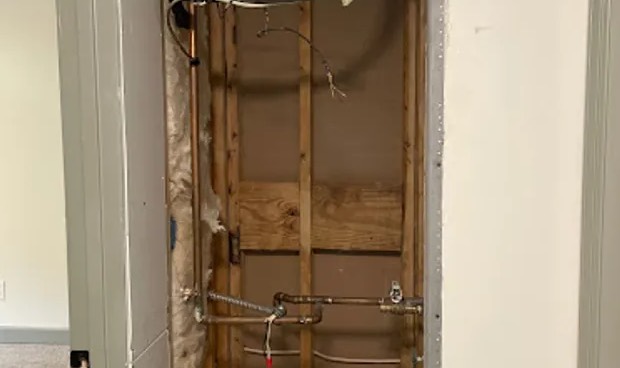
Tree Root Pipe Damage Water Removal Experts Serving St. Paul Park
When a pipe failure soaks carpet, laminate or hardwood, the flooring may need to come up so the subfloor can dry and does not rot or smell.
In St. Paul Park, roots looking for water can break into older sewer lines and cause backups. Local sewer line water damage pros remove the water 24/7, here and in nearby Inver Grove Heights, Cottage Grove and South St. Paul.
Tree Root Pipe Damage Water Removal Services in St. Paul Park
Root Intrusion Water Damage Restoration
Full restoration is the concluding step after tree root pipe damage. The pros in St. Paul Park manage reconstruction to match existing materials and finishes.
Emergency Pipe Water Extraction
Pipe water needs extraction at any hour, and the pros respond around the clock. Fast action helps limit a major loss.
Water Extraction
Following a sewer line breach from roots, standing water must be eliminated promptly.
Sewer Line Water Damage Cleanup
The pros focus on safely removing affected water and sanitizing the area with industry-standard methods.
Broken Pipe Water Removal
The pros use submersible pumps for deep water and specialized vacuums for surface moisture from burst pipes.
Common Symptoms Requiring Tree Root Pipe Damage Water Removal in St. Paul Park
Visible Tree Roots Near Sewer Lines
Seeing roots above ground near your sewer cleanout or main line suggests impending drain line water damage problems.
Foundation Cracks or Settlement
New cracks in the foundation or slab can come from soil washed out by a leaking pipe.
Backups After Heavy Rain or Use
Toilets or drains that overflow during storms or heavy water use often point to a blocked sewer line.
Sewage Odors in Yard or Home
A sewage smell inside or outside the home suggests a cracked or leaking sewer line.
How Tree Root Pipe Damage Water Removal Works in St. Paul Park
Step 1: Emergency Water Extraction Call
The pros assess the pipe damage and start removing water at properties in St. Paul Park.
Step 2: Source Identification and Containment
The pros locate the broken pipe or root intrusion source, stop the water flow, and set up containment to prevent further water damage.
Step 3: Thorough Water Extraction and Cleanup
Truck-mounted or portable extractors remove all standing and trapped water from the property.
Step 4: Drying and Dehumidification Process
Air movers and dehumidifiers dry the affected structure so mold does not start.
Leading Causes of Sewer Line Water Damage
High Water Pressure Inside Pipes
Excessive municipal or pump pressure can weaken pipe walls over time, resulting in failures and drain line water damage.
Poor Initial Pipe Installation
Wrong slope, weak joints or poor materials from the original install make leaks more likely later.
Invasive Landscaping or Construction
Digging, driving stakes or planting trees too close to a line can puncture it.
Heavy Vehicle Traffic Over Lines
Heavy cars or equipment parked over shallow pipes can crush them over time.
Tree Root Pipe Damage Water Removal for Homes and Businesses in St. Paul Park
Residential Tree Root Pipe Damage Water Removal
Roots in a home's main sewer line cause repeat backups. The pros remove the water, clean and disinfect the area and dry it.
Commercial Tree Root Pipe Damage Water Removal
In office buildings, a blocked drain can affect several restrooms and work areas. The pros extract the water and dry each area.
DIY Water Removal vs. Professional Tree Root Pipe Damage Water Removal in St. Paul Park
If you suspect a minor clog, you can try a plunger on a single slow drain. However, for multiple slow drains, gurgling sounds, or sewage odors, avoid chemical drain cleaners as they can worsen pipe corrosion.
Tree Root Pipe Damage Water Removal Cost in St. Paul Park, MN
In St. Paul Park, the price depends on how much water must be removed and how much drying is needed.
Restoration Scope
Jobs that include antimicrobial treatment and odor control cost more than extraction alone.
Contamination Level
Sewer line water removal or sewer backup scenarios involving Category 2 or 3 water require stricter safety and disinfection protocols, affecting cost.
Drying Time Required
The duration needed for structural drying with industrial air movers and dehumidifiers contributes to the total equipment rental and energy costs.
Does Insurance Cover Tree Root Pipe Damage Water Removal?
Pipe leak water removal may be covered if the leak is sudden, like from a frozen pipe bursting. Slow leaks discovered over time are often considered preventable maintenance and may not be covered.
Advantages of Hiring Local Pros in St. Paul Park for Tree Root Pipe Damage Water Removal
Structural Drying Methods
Industrial-grade dehumidifiers and air movers are deployed to dry walls, floors, and subfloors to proper standards after pipe leak water removal.
Advanced Water Extraction
Powerful truck-mounted and submersible pumps quickly remove standing water from broken pipes, followed by thorough drying to prevent secondary issues.
Root Intrusion Mitigation
Pros understand the complexities of tree root pipe damage, coordinating water removal with necessary root cutting and pipe assessment.
24/7 Tree Root Pipe Damage Water Removal for St. Paul Park Emergencies
Roots in a pipe can cause sudden flooding or a backup. Call (651) 321-9769 any time, day or night, for water removal.
Call Now (651) 321-9769Tree Root Pipe Damage Water Removal Near St. Paul Park: Areas Served
Roots can crack pipes under homes in St. Paul Park. Water removal and cleanup are available throughout St. Paul Park, and in Inver Grove Heights, Cottage Grove and South St. Paul.
- Tree Root Pipe Damage Water Removal in Inver Grove Heights
- Tree Root Pipe Damage Water Removal in Cottage Grove
- Tree Root Pipe Damage Water Removal in South St. Paul
- Tree Root Pipe Damage Water Removal in Woodbury
- Tree Root Pipe Damage Water Removal in West St. Paul
- Tree Root Pipe Damage Water Removal in Eagan
- Tree Root Pipe Damage Water Removal in Mendota Heights
- Tree Root Pipe Damage Water Removal in Rosemount
- Emergency Damage Restoration in 55071
- Fire Damage Restoration in 55071
- Mold Remediation Services in 55071
- Storm Damage Restoration in 55071
- Water Damage Restoration in 55071
- Water Leak Detection in 55071
Frequently Asked Questions About Tree Root Pipe Damage Water Removal
Is pipe leak water removal a DIY job?
For small leaks, mopping may suffice. For significant water volume, professional extraction and drying are needed to properly protect your home's structure.
What should I do while I wait for help after a pipe burst?
If safe, shut off the main water valve to stop the flow, and move small valuables or dry items away from the immediate water area.
What equipment is used for drain line water damage?
Submersible pumps, wet vacuums, moisture meters, air movers, and dehumidifiers are standard tools for water extraction and drying in these scenarios.
What follows emergency pipe water extraction?
After water is removed, a detailed drying plan is implemented, damage is documented, and any unsalvageable materials are removed for disposal.
How long does water removal from pipes typically take?
Extraction can take hours, while structural drying with dehumidifiers often requires several days, depending on the amount of water and materials affected.