Saint Paul, MN · Ramsey County
Structural Drying & Dehumidification in Saint Paul, MNSubfloor Moisture Extraction & Crawl Space Dehumidification
Structural Drying & Dehumidification in Saint Paul covers crawl space dehumidification, building material drying and emergency flood drying.
Answered 24/7
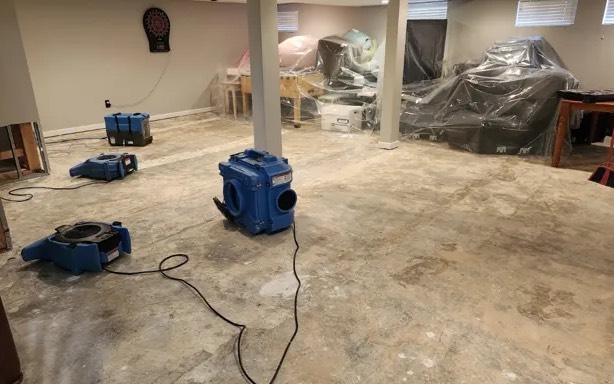
Local Structural Drying & Dehumidification for Saint Paul Homes
In Saint Paul, water trapped in concrete slabs or under hardwood floors can cause buckling long after the surface looks dry. Local drying specialists find it with moisture meters and thermal imaging, then plan the drying.
Water-damaged properties in Saint Paul and nearby areas like West St. Paul, Maplewood and Roseville often have hidden moisture in wall cavities, subfloors or slabs. The specialists dry these areas and can explain each step before work begins.
Structural Drying & Dehumidification Services in Saint Paul
Subfloor Moisture Extraction
Water trapped under flooring soaks the subfloor, and pros use systems that pull it up through the material.
Crawl Space Dehumidification
Excess crawl space moisture causes wood decay and draws pests, so pros set up systems to keep it dry.
Concrete Slab Drying
Focused drying pulls moisture up through the concrete until readings show it is ready for flooring.
Building Material Drying
Studs and joists are dried in place while humidity is managed closely to save them.
Hardwood Floor Drying
Drying mats pull moisture from the boards gently, which often avoids tearing out the original floor.
Signs of Needing Structural Drying & Dehumidification in Your Home
High Indoor Humidity
A clammy feel indoors after a leak shows humidity is too high for materials to dry.
Warped or Buckling Floors
Hardwood or laminate that warps or buckles has water trapped underneath it.
Soft or Crumbling Drywall
Drywall that feels soft or crumbles has absorbed a lot of water and may need removal.
Damp or Staining Walls
Stains or damp drywall mean the wall cavity behind it is still wet.
How Structural Drying & Dehumidification Works in Saint Paul
Step 1: Source Containment and Extraction
The water source is stopped and all reachable water is extracted before drying begins.
Step 2: Dehumidification System Deployment
Commercial dehumidifiers are set up to pull moisture from the air and building materials.
Step 3: Focused Airflow for Drying
Air movers are aimed to create drying paths, speeding up crawl space and slab drying.
Step 4: Moisture Validation and Monitoring
Moisture is checked daily until materials reach dry standards for their type.
Sources of Moisture Requiring Dehumidification Services in Saint Paul
Foundation Cracks and Seepage
Cracks in the foundation or slab let groundwater in, wetting concrete and basement walls.
Plumbing Leaks or Bursts
A broken pipe or leaking fixture can soak walls and floors in a short time.
Poor Ventilation and Humidity
Poor airflow in bathrooms or crawl spaces keeps materials damp month after month.
Sewage Backup or Overflow
A sewer backup brings contaminated water that must be removed before drying begins.
Residential and Commercial Structural Drying & Dehumidification in Saint Paul
Residential Structural Drying & Dehumidification
In houses, drying ceiling and wall cavities prevents costly drywall and framing repairs and leaves the home safe and stable.
Commercial Structural Drying & Dehumidification
In commercial buildings, drying targets office partitions, raised floors and wall systems while keeping indoor air healthy for staff.
Structural Drying & Dehumidification vs. DIY: When to Call Local Specialists
Mop up standing water from minor spills and move rugs and furniture away from the wet area. Once water soaks drywall or subfloor, professionals should take over the drying.
Structural Drying & Dehumidification Cost in Saint Paul, MN
Pros in Saint Paul weigh how severe the water damage is, whether wall cavities need drying and the total drying time.
Type of Materials Involved
Porous drywall and insulation hold more water and sometimes must be removed as well as dried.
Access and Confinement
Tight crawl spaces and closed ceiling cavities are harder to reach and may need special setups.
Extent of Saturation
A soaked subfloor takes longer to dry and needs more powerful dehumidifiers.
Does Insurance Cover Structural Drying & Dehumidification?
Coverage for flood drying often depends on the peril in your policy, such as a burst pipe or appliance failure. Review your policy with your agent; pros provide readings and photos.
Why Choose Local Specialists for Structural Drying & Dehumidification in Saint Paul
Industrial-Grade Equipment
Large air movers and dehumidifiers dry far faster than household fans and units.
IICRC-Standard Drying Methods
Drying follows accepted industry methods so materials reach measured dry targets before work ends.
Comprehensive Damage Documentation
Logs, photos and moisture readings are recorded throughout for you and your insurer.
Emergency Structural Drying & Dehumidification for Saint Paul Properties
A burst pipe or appliance leak needs urgent attention. Call the experts at (651) 321-9769; they offer round-the-clock service for flood and crawl space drying.
Call Now (651) 321-9769Structural Drying & Dehumidification Service Area Including Saint Paul
After water damage in Saint Paul and nearby areas like West St. Paul, Maplewood and Roseville, the pros dry the structure.
Structural Drying & Dehumidification Common Questions Answered
What is crawl space dehumidification and when is it needed?
Equipment that lowers humidity and dries standing water under the house, needed after flooding or ongoing dampness.
What equipment is used for subfloor moisture extraction?
Air movers, dehumidifiers and often injection systems that push dry air directly into the subfloor cavity.
How long does emergency flood drying typically take?
It depends on water volume, materials and humidity, but most home jobs take several days of continuous drying.
What happens during property drying monitoring?
Pros return to check moisture readings, adjust equipment and give updates until the space is dry.
How does emergency drying differ from standard drying?
The methods are the same, but emergency drying starts, even after hours, to limit loss.