Savage, MN · Scott County
Storm Damage Restoration in Savage, MNWind-Driven Rain Drying & Emergency Board Up Services
Storm Damage Restoration for Savage properties includes storm flooded basement cleanup, debris removal after storm and storm damage water extraction.
Answered 24/7
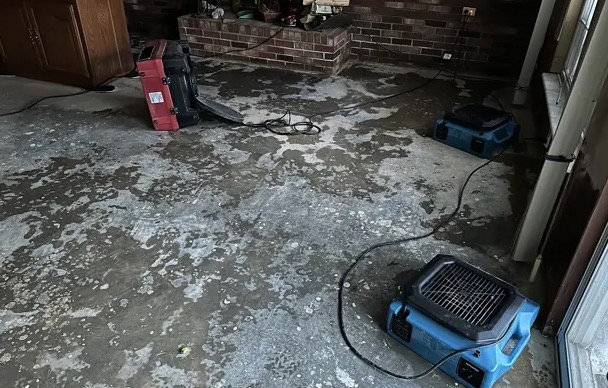
Help With Storm Damage in Savage
After a storm in Savage, the damage you see outside, like missing shingles or a broken window, is often smaller than the water damage inside.
Storm damage restoration is available in Savage and nearby Burnsville, Bloomington and Prior Lake. The pros handle board-up, tarping, water extraction and drying after storms of any size.
Storm Damage Restoration Work in Savage
Wind-Driven Rain Drying
When high winds drive rain into a home, water often runs down inside exterior walls. Meters find it, and drywall is opened where needed to dry it.
Emergency Board Up Services
Plywood is fastened over broken glass and damaged doors right after the storm. It stays until the window or door can be replaced.
Emergency Roof Tarping
Tarping keeps the attic and ceilings from getting wet again during the storms that often follow the first one.
Hail Damage Leak Cleanup
Hail can crack shingles, skylights and vent caps, and the next rain finds those cracks. The pros dry the attic and ceilings where the water got in.
Storm Damage Water Extraction
After a storm, water is extracted room by room with pumps and extractors, starting with the areas where it is deepest.
When Storm Damage Needs Professional Cleanup
Wet Attic Insulation
Damp or matted insulation in the attic after a storm means rain is getting past the roof deck.
Musty Smell After Heavy Rain
A damp smell that was not there before the storm usually means wet insulation, carpet pad or wall cavities.
Bubbling Paint on Exterior Walls
Paint that bubbles on the inside of an exterior wall after a storm points to water that got behind the siding.
Mud or Debris Indoors
Mud, leaves or glass inside the house mean storm water came in from outside and floors need cleaning as well as drying.
How Storm Damage Restoration Works in Savage
Step 1: Safety Check
Power to wet areas is shut off and damaged ceilings or broken glass are marked so no one gets hurt during the work.
Step 2: Extract the Water
Standing water is pulled from floors and carpet, and water above ceilings is drained so it does not keep dripping.
Step 3: Wind-Driven Rain Drying
Exterior walls that took wind-driven rain are checked with meters and opened where needed so the cavities can dry.
Step 4: Final Readings
When walls, floors and framing read dry, equipment is removed and repairs to the roof, windows and drywall can go ahead.
Typical Storm Damage in Savage, Minnesota
Power Outages
Storms that knock out power stop pumps and dehumidifiers, so water that gets in stays longer than it otherwise would.
Hail Impact
Hail cracks shingles, skylights and vent caps, opening small gaps that leak during the storms that follow.
Flash Flooding
Sudden heavy rain can send water across yards and under doors faster than drains and gutters can carry it away.
Wind-Driven Rain
Strong winds push rain sideways into window frames, vents and siding joints that keep out normal rain.
Residential and Commercial Storm Damage Restoration in Savage
Residential Storm Damage Restoration
When a storm opens a roof, water can reach the attic, the ceiling and the rooms below. The pros dry each level and point out wood that looks soft for the roofer.
Commercial Storm Damage Restoration
Flat commercial roofs can leak across a wide area during a storm. The pros remove wet ceiling tiles, extract the water and dry the space around business hours.
What You Can Do Safely After a Storm in Savage
Take photos and video of damage inside and outside, including broken windows and the roof, before anything is moved. Your insurer will ask for them.
Storm Damage Restoration Cost in Savage, MN
In Savage, the biggest cost drivers after a storm are the number of wet rooms, soaked insulation and drywall, and after-hours work during the storm.
Timing of the Work
Work during or right after a storm, at night or on a weekend, can carry a higher rate than scheduled work.
Rooms Affected
Each wet room needs extraction, drying equipment and moisture checks, so the number of rooms sets much of the cost.
Water Source
Rain coming through a roof is cleaner than floodwater from outside. Dirty water means more cleaning and removal of porous materials.
Does Insurance Cover Storm Damage Restoration?
Policies often expect you to take reasonable steps to prevent more damage, such as tarping and boarding up. Keep receipts for that work.
What Local Pros Bring After a Storm in Savage, MN
Homes and Businesses
The same steps apply to houses, condos, stores and offices, scaled to the size of the building and the damage.
Dirty Water Handled Safely
Water that came in from outside is treated as dirty, with soaked porous materials removed and surfaces cleaned.
Openings Covered First
Board-up and tarping keep more rain out, so drying is not undone by the next storm.
24/7 Emergency Storm Damage Restoration in Savage
Do not wait for the next storm to deal with an open roof or broken window. Call (651) 321-9769 so the openings are covered and the inside can dry.
Call Now (651) 321-9769Storm Damage Restoration for Savage and Nearby Communities
Help with storm damage is available in Savage and nearby Burnsville, Bloomington and Prior Lake, with board-up, extraction and drying around the clock.
- Storm Damage Restoration in Burnsville
- Storm Damage Restoration in Bloomington
- Storm Damage Restoration in Prior Lake
- Storm Damage Restoration in Apple Valley
- Storm Damage Restoration in Richfield
- Storm Damage Restoration in Lakeville
- Storm Damage Restoration in Shakopee
- Storm Damage Restoration in Edina
- Storm Damage Restoration in 55378
Common Questions After Storm Damage
Does insurance cover storm damage?
Many policies cover damage from wind and hail. Flooding from rising water outside usually needs a separate flood policy. Your insurer decides coverage.
How soon should storm cleanup start?
As soon as it is safe. Wet drywall, carpet and insulation can start to grow mold in 24 to 48 hours, and open roofs and windows let in more rain.
What records will I get for my insurance claim?
Photos of the damage, daily moisture readings and a list of removed materials, which you can share with your adjuster.
Do I need to leave my home during storm cleanup?
Usually not, unless the damage makes the home unsafe or power is out. Wet areas are closed off while equipment runs.
Should debris be removed before the adjuster visits?
Take photos and video first. Your insurer can tell you what to keep for the adjuster, but wet debris inside the house may need to be removed to prevent more damage.