West St. Paul, MN · Dakota County
Mold Remediation Services in West St. Paul, MNBathroom Mold Cleanup & Basement Mold Cleanup
Mold Remediation Services in West St. Paul start with mold inspection services, then black mold remediation and post-flood mold remediation.
Answered 24/7
Local Mold Remediation Services in West St. Paul, Minnesota
Mold remediation is different from wiping mold off a surface. Porous materials with mold, such as drywall and carpet pad, usually have to be removed in West St. Paul homes.
In West St. Paul, South St. Paul, Mendota Heights and Inver Grove Heights, local mold removal experts remove mold after water damage, clean affected framing and dry the area so the problem does not return.
Mold Remediation Services Offered in West St. Paul
Bathroom Mold Cleanup
Mold that keeps returning on a bathroom ceiling often means poor ventilation. The pros clean the area and check whether moisture is getting into the drywall.
Basement Mold Cleanup
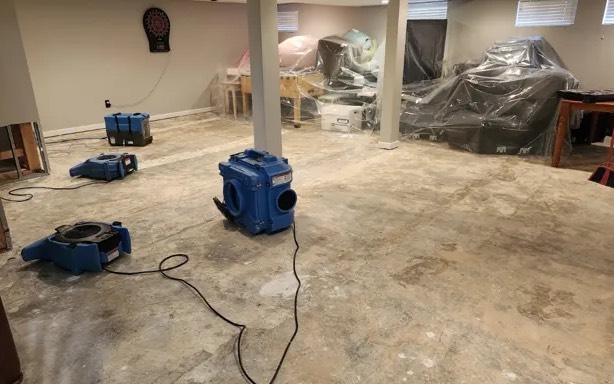
Basement mold grows where walls stay damp from seepage or high humidity. The pros clean concrete and framing, remove moldy drywall and recommend ways to keep the space dry.
Post-Flood Mold Remediation
After a flood, mold usually appears on lower walls, baseboards and the back of cabinets. Affected materials are removed and the area is cleaned and dried.
Air Duct Mold Cleaning
Mold in ducts usually starts near the air handler where condensation collects. Affected sections are cleaned or replaced, and the moisture source is identified.
Mold Inspection Services
An inspection looks for visible mold, musty odors and the moisture behind them. Moisture meters and thermal cameras help find wet areas inside walls and under floors.
When to Call for Mold Inspection in West St. Paul
Warped Floors or Swollen Trim
Wood floors that cup and trim that swells have absorbed moisture. Mold can grow underneath before anything is visible.
Mold Around Air Vents
Dark spots around supply vents or a musty smell when the air turns on can point to mold in ducts or the air handler.
Visible Mold on Walls or Ceilings
Black, green or gray spots on drywall, ceilings or trim are visible mold. Larger patches usually mean more is hidden behind the surface.
Peeling Paint or Bubbling Drywall
Paint that bubbles or peels and drywall that feels soft point to moisture inside the wall, which mold needs to grow.
How Mold Remediation Services Work in West St. Paul
Step 1: Assessment After Water Damage
After a leak or flood, the pros check how long materials stayed wet and where mold has started.
Step 2: Post-Flood Mold Containment
The affected rooms are contained to keep spores away from areas that stayed dry.
Step 3: Removing Flood-Damaged Materials
Wet and moldy drywall, carpet pad and insulation are removed and the framing is cleaned.
Step 4: Structural Drying
Air movers and dehumidifiers dry framing and subfloors until readings match dry reference areas.
Step 5: Clearance Before Rebuilding
A final inspection confirms the mold is gone and the area is dry before new materials go in.
Why Mold Grows in West St. Paul Homes
AC Condensation Problems
A clogged condensate drain or a cracked drain pan leaks water near the air handler, and mold grows on nearby drywall and ductwork.
Slow Plumbing Leaks
Drips under sinks, behind toilets and inside walls can go unnoticed for months, keeping wood and drywall wet enough for mold to grow.
Poor Bathroom Ventilation
Without a working exhaust fan, shower steam settles on ceilings and walls. Over time, mold grows on paint, grout and caulk.
Basement Seepage
Water seeping through foundation cracks keeps basement walls and floors damp, which leads to mold on drywall, framing and stored boxes.
Mold Removal for Homes and Businesses in West St. Paul
Residential Mold Remediation Services
Homeowners get an inspection, containment of the moldy area, removal of damaged drywall or flooring and cleaning of the framing behind it.
Commercial Mold Remediation Services
Commercial buildings get the same process at a larger scale, with containment sized to the space and air filtration to protect nearby areas.
Mold Cleanup: DIY or Professional?
Running a dehumidifier in a damp basement and keeping gutters clear are good DIY steps. Mold already on basement walls or framing should be removed by the experts.
Estimating Mold Cleanup Costs in West St. Paul
Mold removal costs in West St. Paul rise when mold is hidden inside walls or ductwork, because more material has to be opened and cleaned.
Rebuilding After Removal
Replacing drywall, insulation and flooring after mold removal is often priced separately from the remediation itself.
Containment Needed
Larger jobs need plastic sheeting, negative air machines and air scrubbers, which add setup time and equipment cost.
Size of the Moldy Area
A small patch in one room takes far less time, containment and disposal than mold spread across several rooms or a whole attic.
Does Insurance Cover Mold Remediation Services?
Some policies have a separate mold limit. Ask your insurer what applies before work starts and keep photos of the damage.
Why Call Local Mold Removal Experts in West St. Paul
Moisture Meters and Thermal Cameras
These tools show wet areas inside walls and under floors, which is where hidden mold usually grows.
Available Any Time
Mold after a leak or flood can be reported at any hour. The experts can be reached day or night at (651) 321-9769.
Drying After Removal
Mold returns if the area stays damp. The pros dry the structure and check readings before rebuilding.
Round-the-Clock Mold Remediation Services for West St. Paul
After water damage in West St. Paul, drying helps stop mold before it starts. Call (651) 321-9769 any hour to talk through the next steps.
Call Now (651) 321-9769Where Mold Remediation Services Are Available Near West St. Paul
Mold cleanup after leaks and floods reaches beyond West St. Paul to South St. Paul, Mendota Heights and Inver Grove Heights, day or night.
- Mold Remediation Services in South St. Paul
- Mold Remediation Services in Mendota Heights
- Mold Remediation Services in Inver Grove Heights
- Mold Remediation Services in St. Paul Park
- Mold Remediation Services in Maplewood
- Mold Remediation Services in Eagan
- Mold Remediation Services in Falcon Heights
- Mold Remediation Services in Little Canada
- Emergency Damage Restoration in 55118
- Fire Damage Restoration in 55118
- Mold Remediation Services in 55118
- Storm Damage Restoration in 55118
- Water Damage Restoration in 55118
- Water Leak Detection in 55118
Your Mold Cleanup Questions Answered
What causes a musty smell in the house?
Usually mold or damp materials somewhere out of sight, such as inside walls, under carpet, in the crawl space or in ducts.
Will mold come back after remediation?
It can if the moisture source is not fixed. Finding and stopping the leak or humidity problem is part of the job.
Is mold in the attic a serious problem?
It can damage roof sheathing and framing over time and usually points to a roof leak or poor ventilation that should be fixed.
Why does my basement smell musty?
A musty basement usually has damp walls, high humidity or seepage, and mold may be growing on walls, framing or stored items.
Is black mold more dangerous than other mold?
Any mold can cause allergy and breathing symptoms. The removal method is the same regardless of color: contain, remove, clean and dry.