South St. Paul, MN · Dakota County
HVAC Leak Water Removal in South St. Paul, MNDuctwork Condensation Water Removal & Emergency HVAC Leak Cleanup
HVAC Leak Water Removal in South St. Paul covers AC condensate leak water removal, HVAC cabinet water extraction, and emergency HVAC leak cleanup.
Answered 24/7
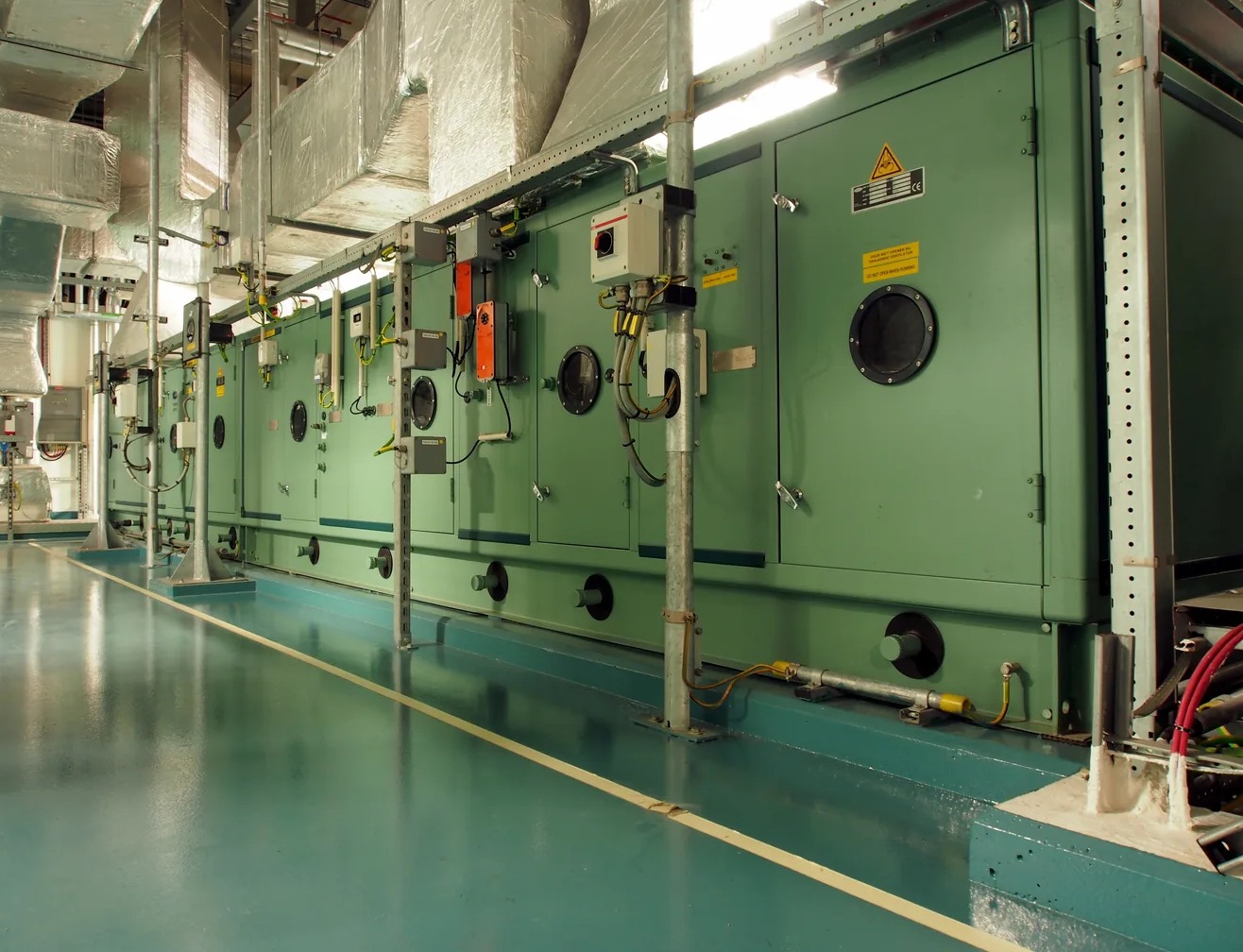
Local HVAC Leak Water Removal for South St. Paul, Minnesota
In South St. Paul, an air conditioner can run most of the day in summer, and the condensate it makes has to go somewhere. When the drain fails, that water soaks insulation, rusts metal and wets the drywall nearby.
When an HVAC leak occurs in South St. Paul, water needs to come out quickly to protect interior finishes and electrical systems. Local water removal pros serve this community and nearby areas like West St. Paul, Inver Grove Heights and St. Paul Park, extracting water around the unit and drying wet ductwork before damage spreads.
HVAC Leak Water Removal Services in South St. Paul
Ductwork Condensation Water Removal
Condensation on ductwork in a crawlspace creates a damp, mold-conducive environment. Cleanup requires removing moisture from ducts and the space.
Emergency HVAC Leak Cleanup
An overflowing secondary pan or a broken drain line needs cleanup right away. The pros mobilize to extract water and assess electrical safety.
HVAC Cabinet Water Extraction
Water pooled inside a furnace or air handler cabinet is removed after the power is off, which protects the blower motor and the control board.
Wet Insulation Removal Near HVAC
Soggy insulation in a mechanical closet or crawlspace is a health concern. The pros remove it as part of restoration.
Moisture Remediation for HVAC Systems
After the water is out, the air in the room is still damp. Dehumidifiers run until humidity is back to normal, which lowers the risk of mold.
Indicators for HVAC Leak Water Removal in South St. Paul Homes
Reduced Cooling or System Shutdown
An AC that shuts itself off may have a float switch that tripped because the drain pan is full of water.
Stained Ceilings or Walls Near Vents
Stains on drywall or ceilings around supply vents often trace back to ducts that are sweating or leaking.
Visible Rust on Metal Components
Rust forming on the evaporator coil cabinet, drain pan, or supports indicates prolonged moisture exposure.
Musty Odors Near Air Vents
A musty smell when the system runs can point to wet insulation or mold inside the unit or ducts.
How HVAC Leak Water Removal Works in South St. Paul
Step 1: Water Removal Initiation
The pros use pumps and wet vacuums to remove the bulk water from a flooded drain line area.
Step 2: Detailed Moisture Detection
Meters and thermal cameras check concealed spaces so no wet spot behind a wall or above a ceiling is missed.
Step 3: Controlled Drying Environment
Professionals create a controlled environment with dehumidifiers and air movers to dry wet ductwork, insulation and building materials.
Step 4: Final Clearance and Prevention Advice
A final check confirms everything is dry, and you get tips on keeping the condensate drain clear.
Common Causes of HVAC Water Leaks in South St. Paul
Frozen Evaporator Coil Thawing
A coil freezing due to low refrigerant or airflow can release large volumes of water upon thawing.
Worn Gaskets or Seal Failures
Worn seals around access panels or coil sections let water escape the cabinet instead of reaching the pan.
Cracked or Disconnected Drain Pan
A damaged or misaligned secondary drain pan beneath the evaporator coil fails to catch condensation overflow.
Obstructed Air Filter or Ducts
Badly restricted airflow lets frost build on the cold coil, and the water floods the pan when it melts.
HVAC Leak Water Removal for Homes & Businesses in South St. Paul
Residential HVAC Leak Water Removal
In homes, an HVAC leak usually wets the ceiling under an attic unit or the walls and floor around the air handler closet. Wet insulation near the unit is removed so it does not hold water.
Commercial HVAC Leak Water Removal
In stores, offices and warehouses, leaks come from large air handlers, VAV boxes and ducts above the ceiling. The water is removed fast so the space can reopen.
When DIY Fails for HVAC Leak Water Removal in South St. Paul
You can document water damage for an insurance claim by taking clear photos of the affected area and leaking component. Keep records of communication. Do not discard damaged items until reviewed. Coverage decisions belong to the insurer.
Cost Insights for HVAC Leak Water Removal in South St. Paul
The price of HVAC leak water removal in South St. Paul depends on where the unit sits, how far the water spread and how long drying takes. The pros look at the source and the wet area first.
Leak Source and Severity
Whether the leak came from a drain line, the coil or the pan changes how much water there is and where it went.
Drying Time and Equipment
The number of days ducts and materials take to dry decides how long the dehumidifiers run.
Extent of Water Spread
Water from a leaking AC can travel along ducts and inside walls, which makes the drying area larger.
Does Insurance Cover HVAC Leak Water Removal?
Policies often cover damage from a sudden leak but not wear and tear or a drain that was never cleaned. Photos and drying records help your adjuster review the claim.
Benefits of Local Water Damage Pros for HVAC Leak Water Removal in South St. Paul
IICRC-Standard Drying Methods
Drying follows industry standards so the unit area, ducts and walls are dry before the system runs again.
HVAC-Specific Moisture Detection
Moisture meters and thermal cameras find water in ducts, insulation and cabinets that you cannot see.
Containment and Air Filtration
The work area can be closed off so dust and moist air do not spread while wet materials are removed.
Emergency HVAC Leak Water Removal Services in South St. Paul
HVAC drain line floods need immediate attention to stop water damage. For HVAC leak cleanup and moisture remediation, contact the experts at (651) 321-9769.
Call Now (651) 321-9769HVAC Leak Water Removal Locations Near South St. Paul
Wet ductwork and HVAC leak water are dried in South St. Paul and in nearby West St. Paul, Inver Grove Heights and St. Paul Park, for homes and businesses.
- HVAC Leak Water Removal in West St. Paul
- HVAC Leak Water Removal in Inver Grove Heights
- HVAC Leak Water Removal in St. Paul Park
- HVAC Leak Water Removal in Mendota Heights
- HVAC Leak Water Removal in Woodbury
- HVAC Leak Water Removal in Eagan
- HVAC Leak Water Removal in Cottage Grove
- HVAC Leak Water Removal in Oakdale
- Emergency Damage Restoration in 55075
- Fire Damage Restoration in 55075
- Mold Remediation Services in 55075
- Storm Damage Restoration in 55075
- Water Damage Restoration in 55075
- Water Leak Detection in 55075
Frequently Asked Questions About HVAC Leak Water Removal
What causes an HVAC drain line to flood?
Algae, sludge or debris clog the condensate drain and the pan overflows. A disconnected or cracked drain line can also send water onto the floor.
Can wet insulation near HVAC be saved?
Often, yes. Wet insulation loses its value and is hard to dry in tight spaces, so it is usually removed and replaced once the area is dry.
What are signs of a leaking AC unit indoors?
Water around the indoor unit, stains on nearby walls or ceilings, a musty smell, or the system shutting off because its float switch tripped.
Does HVAC leak water removal prevent mold?
Fast extraction and drying lower the risk a lot. Materials that stay wet longer than a day or two can start to grow mold.
What is HVAC cabinet water extraction?
It means removing water that has pooled inside the metal cabinet around the furnace or air handler, which protects the blower motor and controls.