Anoka, MN · Anoka County
HVAC Leak Water Removal in Anoka, MNMoisture Remediation For HVAC Systems & Wet Insulation Removal Near HVAC
HVAC Leak Water Removal in Anoka covers AC condensate leak water removal, HVAC cabinet water extraction and emergency HVAC leak cleanup.
Answered 24/7
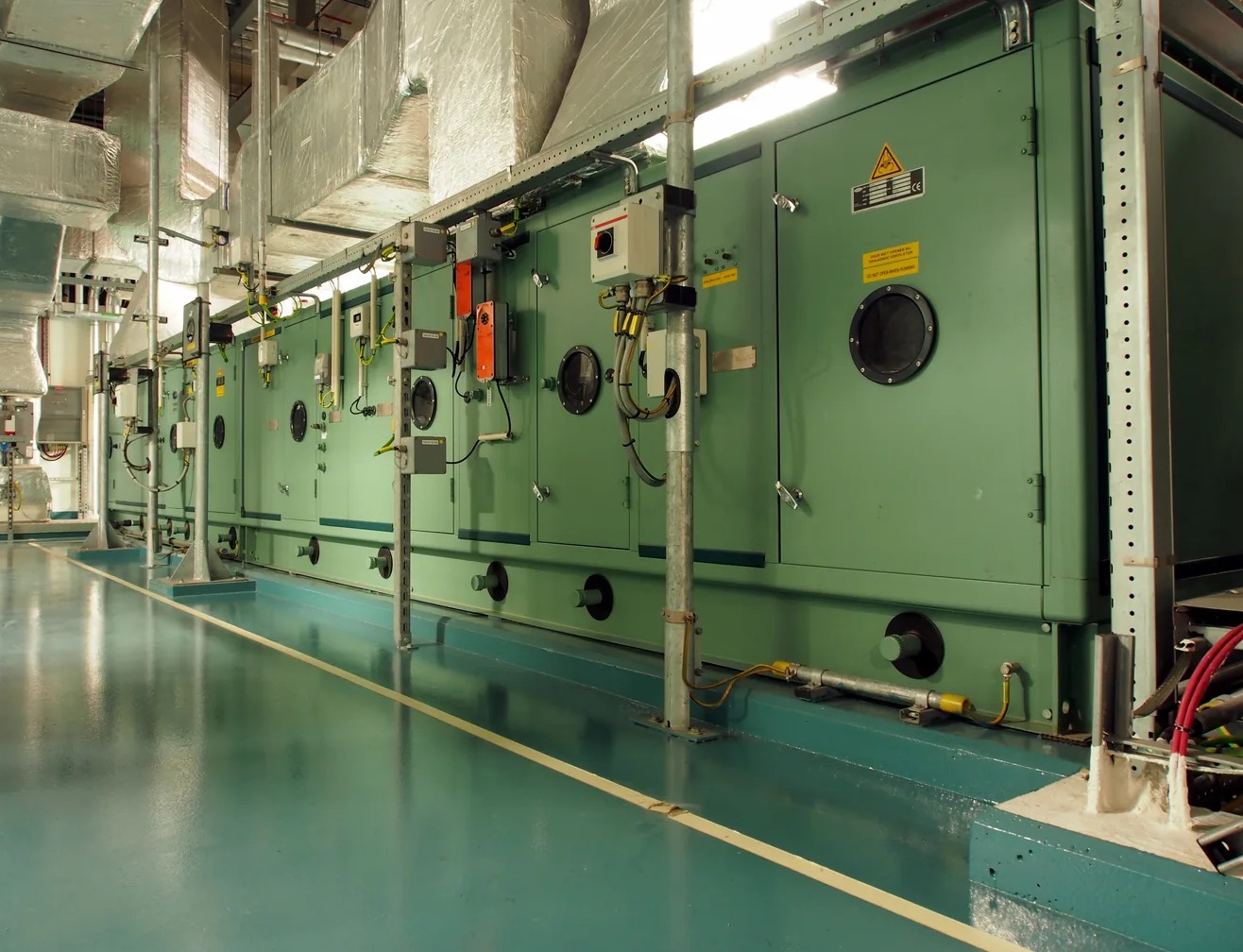
Expert HVAC Leak Water Removal in Anoka MN
An HVAC leak in Anoka rarely stays at the unit. Water runs out of the pan, across the closet floor and under walls, and attic units drip straight through the ceiling below.
When an HVAC leak occurs in Anoka, water needs to come out quickly to protect interior finishes and electrical systems. Local water removal pros serve this community and nearby areas like Champlin, Ramsey and Andover, extracting water around the unit and drying wet ductwork before damage spreads.
HVAC Leak Water Removal Services in Anoka
Moisture Remediation for HVAC Systems
Once the leak stops, dehumidifiers and air movers are placed to dry the air handler closet, nearby ducts and the room, following industry drying standards.
Wet Insulation Removal Near HVAC
Fiberglass insulation soaked by an HVAC leak becomes heavy and ineffective. Experts carefully remove this material to access hidden moisture.
AC Condensate Leak Water Removal
A rusted or cracked condensate pan leaks directly from the AC coil. Prompt water removal prevents corrosion and electrical hazards.
Coil Leak Water Damage Repair
Coil leak water damaging drywall or cabinetry needs repairs after drying. The pros coordinate drying to prepare for reconstruction.
HVAC Drain Line Flood Cleanup
A backed-up HVAC drain line can flood a closet or utility area in Anoka. The water is extracted and drying starts on the floor and lower walls.
Signs You Require HVAC Leak Water Removal in Anoka
High Indoor Humidity Levels
A home feeling persistently muggy can mean the HVAC system is not properly removing airborne moisture.
Musty Odors Near Air Vents
A musty smell when the system runs can point to wet insulation or mold inside the unit or ducts.
Reduced Cooling or System Shutdown
An AC that shuts itself off may have a float switch that tripped because the drain pan is full of water.
Visible Rust on Metal Components
Rust forming on the evaporator coil cabinet, drain pan, or supports indicates prolonged moisture exposure.
How HVAC Leak Water Removal Works in Anoka
Step 1: Emergency Assessment and Water Extraction
The pros stop the water at the unit and extract the standing water from the cabinet, the closet floor and any wet carpet.
Step 2: System Inspection and Moisture Mapping
Moisture meters and thermal cameras show where water went, including wet insulation and duct sections, and the drying plan is built from that.
Step 3: Targeted Drying and Dehumidification
Air movers and dehumidifiers are placed to dry the walls, ceiling, floor and duct runs that got wet.
Step 4: Cleaning and Final Verification
Affected surfaces and HVAC components are cleaned. Final moisture readings confirm the area is dry.
What Causes HVAC Leaks Needing Water Removal in Anoka
Clogged Condensate Drain Line
Algae, sludge, or debris blocking the primary drain pipe causes water to back up into the HVAC cabinet.
Refrigerant Leak at the Coil
A pinhole leak in the evaporator coil itself can allow refrigerant and moisture to escape simultaneously.
Failed Condensate Pump
A condensate pump that fails in an attic or utility room cannot move water to the drain, so the reservoir overflows.
Frozen Evaporator Coil Thawing
A coil freezing due to low refrigerant or airflow can release large volumes of water upon thawing.
HVAC Leak Water Removal for Homes & Businesses in Anoka
Residential HVAC Leak Water Removal
In homes, an HVAC leak usually wets the ceiling under an attic unit or the walls and floor around the air handler closet. Wet insulation near the unit is removed so it does not hold water.
Commercial HVAC Leak Water Removal
In stores, offices and warehouses, leaks come from large air handlers, VAV boxes and ducts above the ceiling. The water is removed fast so the space can reopen.
HVAC Leak Water Removal: DIY or Call Water Damage Pros in Anoka
You can document water damage for an insurance claim by taking clear photos of the affected area and leaking component. Keep records of communication. Do not discard damaged items until reviewed. Coverage decisions belong to the insurer.
Understanding HVAC Leak Water Removal Costs in Anoka
Pricing for HVAC leak water removal depends on how much ductwork and building material got wet. Water inside wall cavities adds time and equipment.
Affected Components and Materials
Wet insulation, damaged ductwork or wiring near the flooded unit each add work to the job.
Water Contamination Category
Clean condensate is simpler to handle than dirty overflow from a drain line, which needs extra cleaning.
Leak Source and Severity
Whether the leak came from a drain line, the coil or the pan changes how much water there is and where it went.
Does Insurance Cover HVAC Leak Water Removal?
AC unit water damage coverage hinges on the leak source. Sudden failures like a burst drain line may be covered, while gradual neglect often is not. Homeowners should confirm specifics with their insurer.
Advantages of Local Pros for HVAC Leak Water Removal in Anoka
Structured Dehumidification Strategy
Air movers and dehumidifiers are placed to dry the cabinet area and nearby walls without blowing water further.
Focused on System Integrity
The goal is a dry unit area and dry materials around it, so the system can run safely again.
24/7 Emergency Response
Getting to a leaking AC early limits how far water spreads and how much it rusts parts in the unit.
Emergency HVAC Leak Water Removal Services in Anoka
HVAC drain line floods need immediate attention to stop water damage. For HVAC leak cleanup and moisture remediation, contact the experts at (651) 321-9769.
Call Now (651) 321-9769HVAC Leak Water Removal Near Anoka: Areas Served
Emergency water removal around a flooded HVAC unit is available throughout Anoka and nearby communities, including Champlin, Ramsey and Andover. Quick action limits damage to sensitive components.
- HVAC Leak Water Removal in Champlin
- HVAC Leak Water Removal in Ramsey
- HVAC Leak Water Removal in Andover
- HVAC Leak Water Removal in Dayton
- HVAC Leak Water Removal in Maple Grove
- HVAC Leak Water Removal in Ham Lake
- HVAC Leak Water Removal in St. Francis
- HVAC Leak Water Removal in Elk River
- Emergency Damage Restoration in 55303
- Fire Damage Restoration in 55303
- Mold Remediation Services in 55303
- Storm Damage Restoration in 55303
- Water Damage Restoration in 55303
- Water Leak Detection in 55303
HVAC Leak Water Removal FAQ for Anoka Homeowners
What is involved in HVAC leak water removal?
Stopping the leak, extracting standing water, drying the ducts, cabinet area, walls and floor, and checking for hidden moisture with meters.
Why is quick action critical for a flooded HVAC unit?
Water can damage the unit's wiring, rust metal parts and soak into walls and floors, which makes repairs larger and more expensive.
How quickly should I address AC unit water damage?
As soon as you see it. Water can reach wiring and soak drywall and insulation, and mold can start within a day or two in wet materials.
What are signs of a leaking AC unit indoors?
Water around the indoor unit, stains on nearby walls or ceilings, a musty smell, or the system shutting off because its float switch tripped.
What is moisture remediation for HVAC systems?
It means removing excess moisture, drying all components and bringing humidity back to normal levels around the system.