Albertville, MN · Wright County
Clean Water Extraction (Category 1) in Albertville, MNAppliance Leak Water Cleanup & Standing Water Pump Out
Get clean water extraction (category 1) in Albertville for emergency water mitigation, clean water removal from flooring and standing water pump out.
Answered 24/7
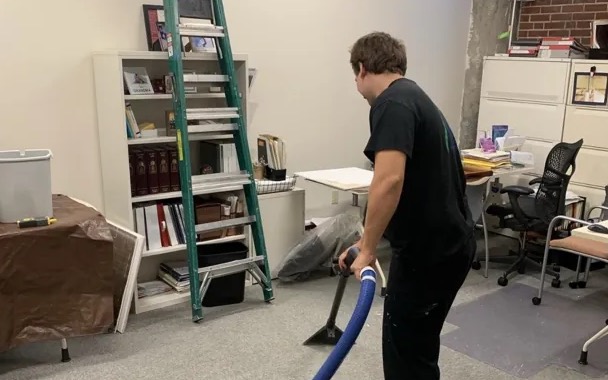
Expert Clean Water Extraction (Category 1) Near Albertville, Minnesota
In Albertville, the most common Category 1 leaks come from washing machine hoses, water heaters, refrigerator water lines and sink or toilet supply lines. Each can release a lot of water quickly.
Homeowners in Albertville can call (651) 321-9769 day or night when clean water floods a room. Service also covers St. Michael, Otsego and Rogers, with the same extraction and drying steps.
Clean Water Extraction (Category 1) Methods Used in Albertville
Appliance Leak Water Cleanup
Appliance leaks often spread under the appliance and into the subfloor. The appliance is pulled out so the area beneath can be dried.
Standing Water Pump Out
Standing water from a supply line or appliance is pumped out with submersible pumps when it is more than shallow, then floors are extracted.
Emergency Water Mitigation
Mitigation is everything done to stop the damage from growing: shutting off the water, extracting it, moving belongings and starting drying.
Clean Water Removal From Flooring
Floors are dried until readings match unaffected areas, so new flooring or refinishing does not trap moisture.
Wet Carpet Water Extraction
Clean water in carpet is pressed out with weighted extraction tools. Because the water is clean, the carpet can often be dried and kept.
Indicators for Professional Clean Water Extraction (Category 1) in Albertville
Musty Odors After a Leak
A musty smell a day or two after a leak means water is still trapped in carpet, walls or subfloor.
Puddles in Unused Rooms
Water appearing in rooms no one uses often comes from a hidden supply line leak inside a wall or under a floor.
Water Stains on Ceilings
A new stain on the ceiling usually means clean water from a pipe or fixture above.
Standing Water in Basement
Standing water on a basement floor from a pipe or appliance needs pumping before it soaks walls and stored items.
How Clean Water Extraction (Category 1) Works in Albertville
Step 1: Source Stop and Safety Check
The water is shut off, and power to wet areas is checked before work begins.
Step 2: Bulk Water Extraction
Extractors remove water from every wet floor, starting with the deepest areas.
Step 3: Carpet and Floor Drying
Carpet is floated with air, hardwood is dried slowly and tile and grout lines are checked.
Step 4: Structural Cavity Drying
Wall bases and subfloors are dried through small openings until readings are normal.
Typical Origins of Category 1 Water in Albertville
AC Condensate Drain Clogs
A clogged AC condensate drain overflows clean condensate water into closets and ceilings.
Supply Line Breaks
Toilet, faucet and appliance supply lines split or loosen and release water under pressure.
Overflowing Sinks or Tubs
Sinks and tubs left running overflow with clean water onto floors and into rooms below.
Hydrostatic Pressure in Slabs
Groundwater pressure under a slab can push clean water up through cracks in the floor.
Local Clean Water Extraction (Category 1) for All Properties in Albertville
Residential Clean Water Extraction (Category 1)
Homeowners often worry about hardwood floors. Clean water extracted quickly gives hardwood a good chance of being saved, with slow drying to limit cupping and cracking.
Commercial Clean Water Extraction (Category 1)
Property managers in apartment buildings see water heater and washer leaks between units. Each unit is extracted, dried and documented.
Clean Water Extraction (Category 1) vs. DIY Cleanup in Albertville
Running household fans helps the surface dry, but clean water trapped under floors and inside walls needs dehumidifiers and moisture readings to dry fully and safely.
Factors in Clean Water Extraction (Category 1) Pricing for Albertville, MN
In Albertville, clean water jobs usually cost less than dirty water jobs, because more carpet, drywall and flooring can be dried in place.
Water Category and Source
Clean water costs less to handle than gray or black water, since more materials can be dried in place.
Drying Time Duration
Drying usually takes a few days, and each extra day adds equipment time to the total.
Material Saturation Level
Materials soaked through take longer to dry than materials that were only damp on the surface.
Does Insurance Cover Clean Water Extraction (Category 1)?
Coverage for clean water extraction (category 1) depends on the cause and your policy. The pros document the damage and the drying, and your insurer decides what is covered.
Advantages of Hiring Local Pros for Clean Water Extraction (Category 1) in Albertville
Industry Drying Standards
Drying follows industry water damage standards, with readings taken at every visit.
Content Protection and Moving
Furniture and belongings are moved or blocked up so they stay dry and do not stain carpet.
Moisture Detection
Meters and thermal cameras find clean water hidden under floors and inside walls.
Around-the-Clock Clean Water Extraction (Category 1) in Albertville
Clean water soaks into floors and walls fast and can turn dirty if left. Call (651) 321-9769 for clean water extraction (category 1) in Albertville at any hour.
Call Now (651) 321-9769Clean Water Extraction (Category 1) for Albertville and Surrounding Communities
Need clean water extraction (category 1) outside Albertville? Service also covers St. Michael, Otsego and Rogers, including emergency help after hours.
- Clean Water Extraction (Category 1) in St. Michael
- Clean Water Extraction (Category 1) in Otsego
- Clean Water Extraction (Category 1) in Rogers
- Clean Water Extraction (Category 1) in Elk River
- Clean Water Extraction (Category 1) in Dayton
- Clean Water Extraction (Category 1) in Big Lake
- Clean Water Extraction (Category 1) in Monticello
- Clean Water Extraction (Category 1) in Ramsey
- Emergency Damage Restoration in 55301
- Fire Damage Restoration in 55301
- Mold Remediation Services in 55301
- Storm Damage Restoration in 55301
- Water Damage Restoration in 55301
- Water Leak Detection in 55301
Your Clean Water Extraction (Category 1) Questions Addressed
What methods are used for water behind walls?
Small holes or removed baseboards let air into the cavity, wet insulation is removed and the wall is dried until readings are normal.
Does a ceiling leak need special extraction methods?
Yes. The ceiling is drained through a small opening, wet insulation is removed and the cavity above is dried.
What tools are used for home water extraction?
Submersible pumps, extractors, weighted carpet tools, air movers, dehumidifiers, moisture meters and thermal cameras.
What causes Category 1 water to become contaminated?
Time and contact. Water sitting for days, or running across dirty floors, picks up contaminants and can become Category 2.
Can I extract water myself while waiting for help?
You can shut off the water, mop hard floors and move belongings. Carpet pad and wall cavities need professional extraction.