St. Louis Park, MN · Hennepin County
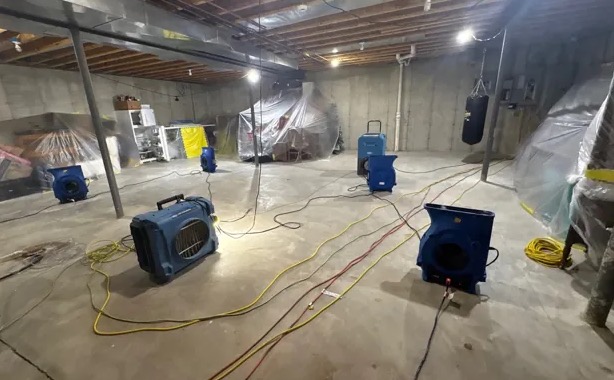
Basement Water Damage Restoration in St. Louis Park, MNBasement Drying Services & Basement Dehumidification
Basement Water Damage Restoration in St. Louis Park runs from basement water extraction and basement floor water removal to basement dehumidification.
Answered 24/7
Expert Basement Water Damage Restoration Serving St. Louis Park
In St. Louis Park, a damp, musty basement or lower room often means water damage that was never fully dried. Old leaks can leave moisture in walls and under flooring long after the water is gone.
Homeowners in St. Louis Park can call (651) 321-9769 day or night when water is rising in the basement. Service also covers Golden Valley, Hopkins and Edina, with the same pumping and drying steps.
Basement Water Damage Restoration Services in St. Louis Park
Basement Drying Services
Equipment is adjusted each day based on moisture readings until every material reaches its normal level.
Basement Dehumidification
Large dehumidifiers pull moisture from the basement air so walls, framing and the slab can release their water.
Basement Floor Water Removal
A slab can look dry on top while still holding water. Moisture readings show when it is ready for new flooring.
Basement Mold Prevention
Fast extraction and drying are the main ways to limit microbial growth in a basement. Surfaces that stayed wet can be treated once dry.
Emergency Basement Flood Cleanup
Emergency cleanup starts with stopping the source where possible, checking for electrical hazards and pumping out the water.
How to Know You Need Basement Water Damage Restoration in St. Louis Park
Peeling Paint or Wallpaper
Paint that peels or blisters on basement walls often has moisture behind it.
Sump Pump Failure or Overflow
A sump pump that runs constantly, fails to start or lets the pit overflow puts the basement at risk.
Sewage Odors or Backups
Sewage smells or water coming up through a floor drain mean the sewer line is backing up.
Condensation on Windows or Pipes
Water beading on cold pipes or basement windows shows high humidity that keeps materials damp.
How Basement Water Damage Restoration Works in St. Louis Park
Step 1: Initial Assessment and Water Removal
The source and type of water are identified, and standing water is removed right away.
Step 2: Focused Drying of Materials
Walls, framing and the slab are dried with directed airflow, with wet insulation removed.
Step 3: Air Quality Management
Air scrubbers filter dust and odors from removal work while drying continues.
Step 4: Documentation for Restoration
Photos, readings and a list of removed materials are prepared for insurance and rebuilding.
Why Basement Water Damage Occurs in St. Louis Park
Window Well Flooding
Window wells without drains or covers fill with rain and leak through basement windows.
Faulty Basement Waterproofing
Old or failed waterproofing on foundation walls lets water through during wet weather.
High Water Table and Hydrostatic Pressure
A high water table pushes groundwater up through the slab and into the joints between wall and floor.
Sewer Line Backups
A blocked or overloaded sewer line pushes wastewater up through basement drains and toilets.
Both Residential & Commercial Basement Water Damage Restoration in St. Louis Park
Residential Basement Water Damage Restoration
A sewer backup in a home basement needs contaminated carpet, pad and drywall removed and every hard surface disinfected before drying.
Commercial Basement Water Damage Restoration
In restaurants and stores with basements, sewage backups need fast containment so contamination does not reach food or customer areas.
Basement Water Damage Restoration vs. DIY: When to Call the Pros
If a small leak left a puddle on bare concrete, a wet vac and a dehumidifier may be enough. Call local restoration pros if water reached drywall, carpet or framing, or if it came from a sewer drain.
Cost Considerations for Basement Water Damage Restoration in St. Louis Park
In St. Louis Park, basement jobs often run longer than upper-floor jobs because concrete dries slowly. Equipment days make up much of the bill.
Drying Time Required
Basements dry slowly, and longer drying means more equipment days and monitoring visits.
Water Category
Clean water costs less to handle than sewage, which needs protective gear, removal and disinfection.
Access Complexity
Narrow stairs, low ceilings and stored contents can make the work slower.
Does Insurance Cover Basement Water Damage Restoration?
Coverage for groundwater seepage and backups varies widely between policies. Ask your adjuster whether your policy includes it before work begins.
Reasons to Hire Local Pros for Basement Water Damage Restoration in St. Louis Park
Water Extraction First
Water is removed from floors, carpet and pad before drying starts, which shortens drying time.
Detailed Documentation
Photos, readings and drying logs are kept to support your insurance claim.
Water Type Handling
Clean water, gray water and sewage are each handled with the right protection and removal steps.
Emergency Basement Water Damage Restoration Available in St. Louis Park
If water is near outlets or the electrical panel, do not walk into it. Call (651) 321-9769 for help in St. Louis Park and wait for the power to be made safe.
Call Now (651) 321-9769Regions Served for Basement Water Damage Restoration Near St. Louis Park
Besides St. Louis Park, local restoration pros handle basement pumping, drying and dehumidification in nearby Golden Valley, Hopkins and Edina.
- Basement Water Damage Restoration in Golden Valley
- Basement Water Damage Restoration in Hopkins
- Basement Water Damage Restoration in Edina
- Basement Water Damage Restoration in Minnetonka
- Basement Water Damage Restoration in Crystal
- Basement Water Damage Restoration in Deephaven
- Basement Water Damage Restoration in Richfield
- Basement Water Damage Restoration in New Hope
- Emergency Damage Restoration in 55416
- Fire Damage Restoration in 55416
- Mold Remediation Services in 55416
- Storm Damage Restoration in 55416
- Water Damage Restoration in 55416
- Water Leak Detection in 55416
- Emergency Damage Restoration in 55426
- Fire Damage Restoration in 55426
Frequently Asked Questions About Basement Water Damage Restoration
What does below-grade moisture removal include beyond pumping?
Extracting carpet and pad, opening wet walls, running air movers and dehumidifiers, and checking readings until dry.
What are signs of hidden moisture after below-grade water extraction?
Musty smells, tide lines on walls, damp carpet edges and moisture readings that stay high in walls or the slab.
Is basement floor water removal different from carpet extraction?
Yes. Bare concrete is squeegeed and dried, while carpet and pad need extraction, and the pad is usually replaced.
How soon should I call for basement water extraction after a leak?
Right away. Water wicks up drywall and soaks framing within hours, and below-grade spaces are slow to dry.
How is basement sewer backup cleanup different from regular flooding?
Sewage carries bacteria, so it needs protective gear, removal of porous materials and disinfection before drying.