Columbia Heights, MN · Anoka County
Basement Water Damage Restoration in Columbia Heights, MNEmergency Basement Flood Cleanup & Basement Wall Drying
Get basement water damage restoration in Columbia Heights for basement floor water removal, basement mold prevention and basement drying services.
Answered 24/7
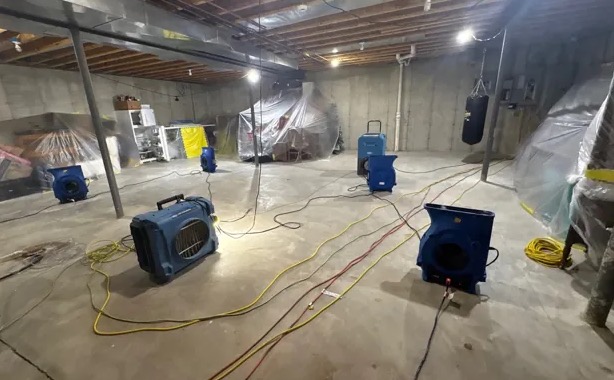
Basement Water Damage Restoration Solutions in Columbia Heights, Minnesota
In Columbia Heights, a damp, musty basement or lower room often means water damage that was never fully dried. Old leaks can leave moisture in walls and under flooring long after the water is gone.
Homes in Columbia Heights and nearby St. Anthony, New Brighton and Fridley with basements deal with seepage, plumbing leaks and sewer backups. Help with basement water damage restoration covers pumping, removal of wet materials and drying of walls and concrete.
Professional Basement Water Damage Restoration Offered in Columbia Heights
Emergency Basement Flood Cleanup
Emergency cleanup starts with stopping the source where possible, checking for electrical hazards and pumping out the water.
Basement Wall Drying
Finished basement walls hide wet insulation and framing. Removing the bottom of the drywall lets air reach the cavity.
Basement Floor Water Removal
Water on a concrete floor is squeegeed and extracted, and floor coverings such as carpet, vinyl or laminate are lifted to dry the slab.
Basement Water Extraction
Basement water is removed before drying starts, because every gallon left behind keeps the walls and air damp.
Basement Sewer Backup Cleanup
After a sewer backup, cleanup and disinfection come before drying, so contaminated surfaces are not left in place.
Warning Signs You Need Basement Water Damage Restoration
Mold on Surfaces
Dark spots on drywall, framing or stored boxes mean the area has stayed wet for days.
Sewage Odors or Backups
Sewage smells or water coming up through a floor drain mean the sewer line is backing up.
Wet or Stained Basement Walls
Dark, wet patches or tide lines on basement walls show where water seeped in or wicked up.
High Humidity Levels Below-Grade
A basement that stays damp and clammy even on dry days has a moisture source that needs attention.
How Basement Water Damage Restoration Works in Columbia Heights
Step 1: Initial Assessment and Water Removal
The source and type of water are identified, and standing water is removed right away.
Step 2: Focused Drying of Materials
Walls, framing and the slab are dried with directed airflow, with wet insulation removed.
Step 3: Air Quality Management
Air scrubbers filter dust and odors from removal work while drying continues.
Step 4: Documentation for Restoration
Photos, readings and a list of removed materials are prepared for insurance and rebuilding.
Frequent Sources of Water Damage in Columbia Heights
Sewer Line Backups
A blocked or overloaded sewer line pushes wastewater up through basement drains and toilets.
Failed or Clogged Drain Tile
Clogged or collapsed drain tile around the foundation lets water build up against the walls.
Faulty Basement Waterproofing
Old or failed waterproofing on foundation walls lets water through during wet weather.
HVAC Condensate Line Overflow
A clogged furnace or air conditioner condensate line can overflow onto the floor of a basement or lower-level utility room.
Basement Water Damage Restoration for Homes and Businesses in Columbia Heights
Residential Basement Water Damage Restoration
A sewer backup in a home basement needs contaminated carpet, pad and drywall removed and every hard surface disinfected before drying.
Commercial Basement Water Damage Restoration
In restaurants and stores with basements, sewage backups need fast containment so contamination does not reach food or customer areas.
Basement Water Damage Restoration vs. DIY: When to Call the Pros
Fans alone can push damp air into the rest of the house. Basement drying needs dehumidifiers to pull the moisture out of the air and the concrete.
Basement Water Damage Restoration Cost in Columbia Heights, MN
Waterproofing or sump pump replacement is a separate cost from water removal and drying. In Columbia Heights, both may be needed to prevent a repeat.
Affected Square Footage
Larger basements need more extraction, more drying equipment and more days of drying time.
Material Saturation
Finished basements with carpet, drywall and insulation take more removal work than bare concrete.
Access Complexity
Narrow stairs, low ceilings and stored contents can make the work slower.
Does Insurance Cover Basement Water Damage Restoration?
Flood damage from rising outside water usually needs flood insurance. Water from inside the home, like a broken pipe, is more often covered.
Benefits of Local Pros for Basement Water Damage Restoration in Columbia Heights
Detailed Documentation
Photos, readings and drying logs are kept to support your insurance claim.
Water Extraction First
Water is removed from floors, carpet and pad before drying starts, which shortens drying time.
Mold Prevention Focus
Fast drying is the main way to limit microbial growth in a below-grade space.
24/7 Emergency Basement Water Damage Restoration in Columbia Heights
Every hour of standing water in a basement means more drywall and flooring to replace. Call (651) 321-9769 for basement water damage restoration in Columbia Heights.
Call Now (651) 321-9769Basement Water Damage Restoration Near Columbia Heights: Areas Served
Besides Columbia Heights, local water damage pros handle basement pumping, drying and dehumidification in nearby St. Anthony, New Brighton and Fridley.
- Basement Water Damage Restoration in St. Anthony
- Basement Water Damage Restoration in New Brighton
- Basement Water Damage Restoration in Fridley
- Basement Water Damage Restoration in Brooklyn Center
- Basement Water Damage Restoration in Mounds View
- Basement Water Damage Restoration in Roseville
- Basement Water Damage Restoration in Falcon Heights
- Basement Water Damage Restoration in Crystal
- Emergency Damage Restoration in 55421
- Fire Damage Restoration in 55421
- Mold Remediation Services in 55421
- Storm Damage Restoration in 55421
- Water Damage Restoration in 55421
- Water Leak Detection in 55421
FAQ for Basement Water Damage Restoration in Columbia Heights
What equipment is used for below-grade water damage repair?
Submersible pumps, extractors, air movers, large dehumidifiers, moisture meters and air scrubbers for dust and odor.
Should I try below-grade waterproofing myself after flooding?
Sealing a small crack can be a DIY job, but drying must come first, and larger waterproofing work should go to a contractor.
Why is quick action important for below-grade flood restoration?
Basements dry slowly, so every hour of standing water adds days of drying and more material to replace.
Is basement floor water removal different from carpet extraction?
Yes. Bare concrete is squeegeed and dried, while carpet and pad need extraction, and the pad is usually replaced.
What are signs of hidden moisture after below-grade water extraction?
Musty smells, tide lines on walls, damp carpet edges and moisture readings that stay high in walls or the slab.