Saint Paul, MN · Ramsey County
Attic Damage Restoration in Saint Paul, MNWet Attic Insulation Removal & Storm Water Attic Cleanup
Attic Damage Restoration in Saint Paul means HVAC condensate leak cleanup, attic sheathing drying and attic water extraction.
Answered 24/7
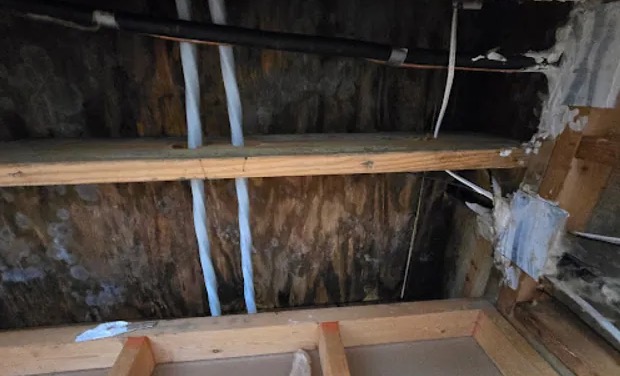
Local Attic Damage Restoration in Saint Paul
Water in an attic does not stay put. It runs down rafters, into wall tops and through light fixtures to the rooms below.
From Saint Paul to West St. Paul, Maplewood and Roseville, attic water damage follows the same pattern: find the wet area, remove soaked insulation, dry the framing and record it for the insurer.
Attic Damage Restoration Services in Saint Paul
Wet Attic Insulation Removal
Damp insulation can take weeks to dry on its own and starts to smell. Removing it lets air reach the ceiling and framing so drying takes days instead.
Storm Water Attic Cleanup
Once the roof is tarped or repaired by a roofer, storm water is removed from insulation and decking and the attic is dried with air movers and dehumidifiers.
Roof Leak Water Cleanup
A roof leak often shows up far from where it starts. Moisture readings along the framing show every wet spot so each one is dried.
Emergency Attic Drying Services
Air movers and dehumidifiers are placed to push dry air across wet decking and joists. Readings are taken daily until the wood is back to normal.
Attic Sheathing Drying
Plywood and OSB roof decking soaks up water and can swell or delaminate. The pros dry it in place with directed air when it is still sound, and note boards that need replacing.
Warning Signs You Need Attic Damage Restoration
Water Stains on the Ceiling
Brown rings or streaks on an upstairs ceiling usually trace back to wet insulation or a leak in the attic above.
Wet or Matted Insulation
Insulation that looks flattened, stained or clumped has been soaked and is holding water against the ceiling.
Peeling Paint on Upper Ceilings
Bubbling or peeling paint on top-floor ceilings is a common sign of moisture in the attic above.
Sagging Ceiling Drywall
A bulging or sagging ceiling may be holding water. Stay out from under it and keep people out of the room.
How Attic Damage Restoration Works in Saint Paul
Step 1: Attic Damage Assessment
The pros check the attic and the rooms below with moisture meters and thermal cameras to map every wet area.
Step 2: Attic Water Extraction
Pooled water is vacuumed out and any water held in a sagging ceiling is drained in a controlled way.
Step 3: Wet Attic Insulation Removal
Soaked insulation is bagged or vacuumed out so the drywall and joists below can get air and start drying.
Step 4: Attic Drying Process
Air movers and dehumidifiers dry the decking, rafters and ceiling, with readings each day until they are dry.
Frequent Causes of Wet Attic Insulation
Ice Dams at the Eaves
Melting and refreezing snow at the eaves can push water under the shingles and into the attic.
Clogged AC Condensate Drains
An attic air handler can produce gallons of water a day. A clogged line or rusted pan sends it into the insulation.
Roof Leaks and Worn Shingles
Missing, cracked or worn shingles and failed flashing let rain into the attic, often far from the stain below.
Bathroom Fans Venting Into the Attic
Exhaust fans that end in the attic instead of outside put warm, wet air straight onto the decking.
Residential and Commercial Attic Damage Restoration in Saint Paul
Attic Damage Restoration for Homeowners
Homeowners with an AC condensate overflow get water removed around the air handler, wet insulation pulled and the ceiling drywall dried.
Attic Damage Restoration for Businesses and Property Managers
Offices and shops with HVAC equipment above the ceiling get leaks cleaned up and dried, and the drain problem noted for the HVAC contractor.
When a Wet Attic Needs Attic Restoration Experts
Fans alone will not dry an attic. Without dehumidifiers, the hot attic air holds the moisture and the wood stays wet. Call (651) 321-9769 for help.
What Affects Attic Damage Restoration Cost in Saint Paul
A small condensate leak caught early costs much less than a roof leak that soaked insulation and decking across a large part of the attic.
Size of the Wet Area
A small spot under an AC unit costs less than water spread across a large part of the attic.
Source of the Water
Clean water from a pipe or AC drain is simpler to handle than storm water that brought in dirt and debris.
Drying Time
Thick decking and rafters can take several days to dry, and equipment cost depends on how long it runs.
Does Insurance Cover Attic Damage Restoration?
Report the leak to your insurer soon after you find it, and keep receipts for any emergency work such as tarping and drying.
The Case for Professional Attic Drying
Records for Your Insurer
Photos, moisture readings and drying logs help you file and support a claim.
Drying Until the Wood Is Dry
Equipment stays until pin meters show the rafters and decking are dry inside, not just on the surface.
Proper Insulation Removal
Wet insulation is removed and bagged without spreading it through the house.
After-Hours Attic Damage Restoration in Saint Paul, MN
After a storm in Saint Paul, water in the attic spreads into insulation and ceilings quickly. Call (651) 321-9769 any time for attic water cleanup.
Call Now (651) 321-9769Attic Damage Restoration in Saint Paul and Surrounding Towns
The service covers Saint Paul and surrounding communities like West St. Paul, Maplewood and Roseville, for leaks large and small.
Attic Damage Restoration in Saint Paul: Your Questions
What is attic damage restoration?
It is the cleanup and drying of an attic after a roof, pipe or AC leak: removing water and wet insulation and drying the decking, rafters and ceiling.
What happens to the ceiling below the attic?
The pros check it for water. Drywall that can be dried is dried in place, and drywall that sagged or crumbled is removed.
Is attic water damage covered by insurance?
Sudden leaks and storm damage are often covered. Slow leaks from worn roofs may not be. Your insurer makes the decision.
Will drying equipment be loud?
Air movers and dehumidifiers make steady fan noise. In an attic, most of it stays above the ceiling.
Can mold grow in a wet attic?
Yes. Hot, damp attic wood can start growing mold within a few days, which is why drying matters.