St. Paul Park, MN · Washington County
Antimicrobial Treatment Services in St. Paul Park, MNBasement Mold Prevention Treatment & Post Flood Disinfection Services
Antimicrobial Treatment Services in St. Paul Park include emergency sewage sanitization, kitchen surface disinfection and post flood disinfection services after sewage or flooding.
Answered 24/7
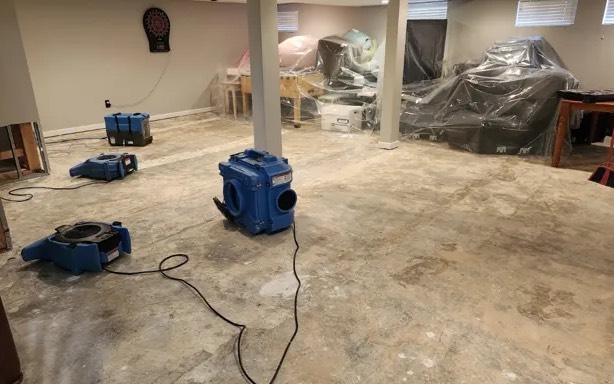
Expert Antimicrobial Treatment Services Available in St. Paul Park
Water damage leaves more than wet floors behind. Floodwater, sewage and long-standing leaks can leave bacteria, odors and staining on the surfaces that stay in a St. Paul Park home after cleanup.
A sewage backup in St. Paul Park needs cleanup and disinfection before the room can be used again. Local antimicrobial treatment pros serve St. Paul Park and nearby Inver Grove Heights, Cottage Grove and South St. Paul, with emergency help for contaminated water.
Comprehensive Antimicrobial Treatment Services for St. Paul Park Homes
Basement Mold Prevention Treatment
Basements stay humid, so treatment is paired with dehumidification and fixing the leak or seepage that let the water in.
Post Flood Disinfection Services
Disinfection after a flood covers the lower walls, floors and anything kept from the affected rooms, once the standing water is gone.
Bathroom Mold Treatment
Damaged caulk and stained drywall near a shower are removed, the area is dried, and an antimicrobial is applied before new materials go in.
HVAC Duct Sanitization
Ducts that pulled in damp, musty air are cleaned before treatment. The source of the moisture, such as a full drain pan, is fixed first.
Mold Remediation Antimicrobial Treatment
After damaged materials are removed and the area is dried, an EPA-registered antimicrobial is applied to framing and subfloor to slow regrowth on surfaces that stay in place.
Signs You Need Professional Antimicrobial Treatment
Visible Mold on Surfaces
Dark spots on drywall, wood or grout after a leak mean the surface stayed wet long enough to need cleaning and treatment.
Stains Found During Repairs
Dark or damp framing found when opening a wall or floor is a common reason to dry and treat before closing it up.
Peeling Paint or Warped Drywall
Bubbling paint, soft drywall or warped trim show water got into the material, which may need removal before treatment.
Recurring Mold After Cleaning
Spots that come back after cleaning usually mean the material is still wet inside or the leak was never fixed.
How Antimicrobial Treatment Services Work in St. Paul Park
Step 1: Inspection and Moisture Check
The pros find the source of the water, check moisture levels and decide which materials can stay.
Step 2: Containment and Material Removal
Work areas are sealed with plastic, and soaked drywall, carpet and pad that cannot be saved are removed.
Step 3: Cleaning and Antimicrobial Application
Remaining surfaces are cleaned, then an EPA-registered antimicrobial is sprayed or wiped onto wood and concrete.
Step 4: Drying Check and Final Cleaning
Moisture readings confirm the area is dry, and dust and debris are cleaned up before rebuilding.
What Leads to Post Water Damage Cleaning in St. Paul Park
Roof Leaks and Poor Ventilation
Roof leaks let water into attics and ceilings, where poor airflow keeps insulation and wood damp for days.
Storm Flooding and Natural Disasters
Floodwater carries soil and contaminants into walls, floors and anything it reaches.
Inadequate Drying After Water Damage
Water damage that was mopped up but never fully dried leaves moisture inside walls and under floors.
High Indoor Humidity Levels
Constant high humidity keeps materials damp enough for mold, even without a single large leak.
Antimicrobial Treatment Services for Homes and Businesses in St. Paul Park
Residential Antimicrobial Treatment Services
For homeowners, the main question is what can stay and what must go. Hard surfaces and framing can usually be cleaned and treated, while soaked carpet and drywall are often replaced.
Commercial Antimicrobial Treatment Services
For property managers, a backup in one unit can affect shared walls and floors. Each affected area is contained, cleaned, treated and documented separately for the owner and insurer.
Antimicrobial Treatment Services vs. DIY: When to Call the Pros
Spraying a product on a damp, dirty surface rarely works. The surface must be cleaned and dry first, which is why professional treatment comes after drying, not before it.
Factors Affecting Antimicrobial Treatment Services Pricing in St. Paul Park
In St. Paul Park, most of the cost comes from cleaning time, removal of soaked materials and the product used. A walk-through sets the scope before work begins.
Emergency Service Timing
After-hours response to a sewage backup can cost more than a scheduled visit.
Affected Square Footage
Larger treated areas need more product, more cleaning time and more labor.
Service Type Complexity
Fogging a whole room costs more than spot treatment of framing after a small leak.
Does Insurance Cover Antimicrobial Treatment Services?
Sewage backup coverage is often an add-on to a homeowner policy. Check whether you have it before cleanup begins, so you know how the claim will be handled.
Reasons to Select Local Pros for Antimicrobial Treatment Services in St. Paul Park
Containment to Prevent Cross-Contamination
Plastic sheeting and controlled airflow keep contamination out of clean rooms during work.
Post-Treatment Checks
Moisture readings and a final walk-through confirm the area is dry and clean before rebuilding.
24/7 Emergency Response
Help is available day or night for sewage backups and other contaminated water.
Emergency Antimicrobial Treatment in St. Paul Park
The sooner wet, dirty surfaces are cleaned and treated, the less material needs replacing. Call (651) 321-9769 for antimicrobial treatment services in St. Paul Park.
Call Now (651) 321-9769Antimicrobial Treatment Services Near St. Paul Park: Areas Served
Nearby areas served for antimicrobial treatment services include Inver Grove Heights, Cottage Grove and South St. Paul, with the same clean, dry and treat process used in St. Paul Park.
- Antimicrobial Treatment Services in Inver Grove Heights
- Antimicrobial Treatment Services in Cottage Grove
- Antimicrobial Treatment Services in South St. Paul
- Antimicrobial Treatment Services in Woodbury
- Antimicrobial Treatment Services in West St. Paul
- Antimicrobial Treatment Services in Eagan
- Antimicrobial Treatment Services in Mendota Heights
- Antimicrobial Treatment Services in Rosemount
- Emergency Damage Restoration in 55071
- Fire Damage Restoration in 55071
- Mold Remediation Services in 55071
- Storm Damage Restoration in 55071
- Water Damage Restoration in 55071
- Water Leak Detection in 55071
Frequently Asked Questions About Antimicrobial Treatment Services
How soon after a flood should post flood disinfection begin?
Right after the water is removed and soaked materials are taken out. Surfaces are cleaned first, then disinfected and dried.
How do I know if I need mold remediation antimicrobial treatment?
If framing or subfloor stayed wet for days, shows dark spots after drywall removal or smells musty, it likely needs cleaning and treatment after drying.
Why is emergency sewage sanitization different from regular cleaning?
Sewage and contaminated water carry bacteria and other contaminants, so they need protective gear, containment and disinfection, not just drying.
Is kitchen surface disinfection different from regular cleaning?
Yes. Surfaces that touched dirty water are cleaned and then disinfected with a product suited to food-prep areas.
What is included in a standard antimicrobial treatment service?
Removing materials that cannot be saved, drying the area, cleaning remaining surfaces and applying an EPA-registered antimicrobial to wood, concrete and other hard materials.