Trusted by 170+ Homeowners
Water Damage Cleanup Tips for Homeowners
- Over 172 5-Star Reviews
- Free Estimates and Quotes
- 100% Satisfaction Guaranteed
- Child, Family & Pet Safe Steps
- 24-Hour Emergency Service
- Fully Licensed & Insured
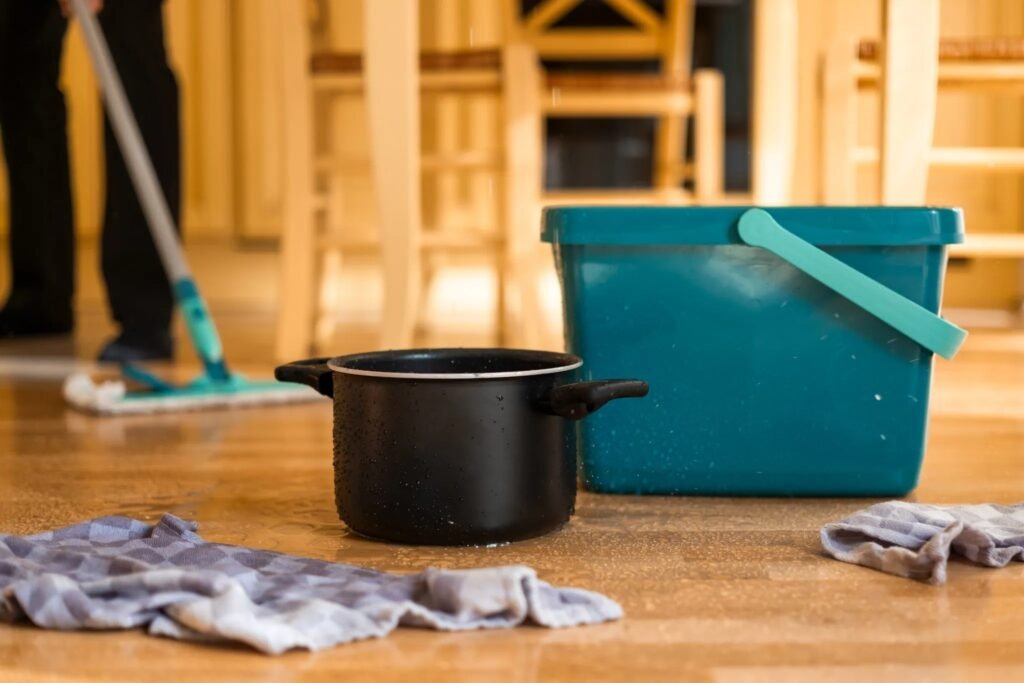
Dealing with water damage can feel like a nightmare, especially when it hits unexpectedly.
Whether it’s a burst pipe, a flooded basement, or an overflowing washing machine, water damage can quickly wreak havoc on your home.
But don’t panic; if you act quickly and smartly, you can minimize the damage. In this guide, we’ll walk you through the essential water damage cleanup tips every homeowner should know.
Understanding the Impact of Water Damage
Why Water Damage Is More Than Just a Mess
Water damage doesn’t just soak your carpets and warp your floors; it can lead to serious long-term issues like mold growth, structural damage, and health hazards. The longer you wait, the worse it gets.
Common Causes of Residential Water Damage
Water damage can strike in a variety of ways. Understanding the cause can help you respond appropriately.
Burst Pipes
In colder climates like Minnesota, frozen pipes that burst are a common culprit, especially during winter.
Flooding and Storm Damage
Heavy rains and flash floods can cause water to pour into basements and lower levels.
Leaky Roofs and Appliances
Even a slow, unnoticed leak from a dishwasher, washing machine, or roof can cause extensive damage over time.
First Things First: Safety Comes First
Before you dive into cleanup mode, make sure your home is safe to enter.
Shut Off Electricity and Water
Water and electricity are a dangerous combo. If it’s safe, turn off the electricity at the main breaker and shut off the water source.
Wear Protective Gear Before Entering
Think gloves, waterproof boots, and even a mask, especially if there’s standing water that could be contaminated.
Check for Structural Damage
If you notice sagging ceilings, bulging walls, or cracking floors, it might not be safe to stay inside. Call in a professional immediately.
Initial Steps After Discovering Water Damage
Document Everything for Insurance
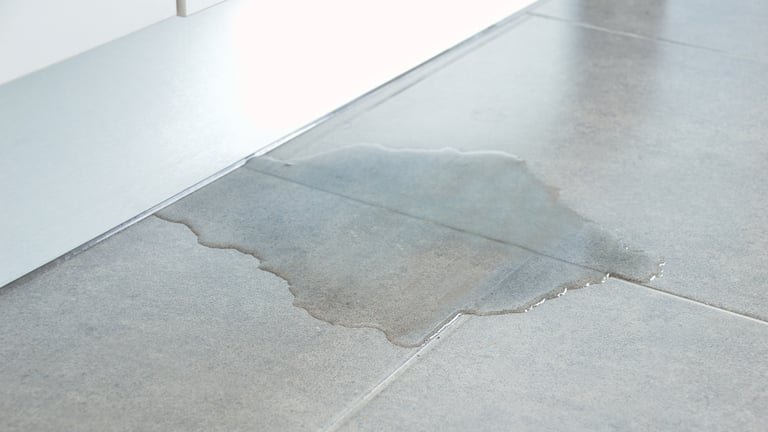
Take pictures and videos of all the damage before cleanup starts. This will help you when filing a claim with your insurance provider.
Contact Your Insurance Company
Don’t wait; call your insurer right away to report the incident. They’ll let you know what’s covered and what steps to take next.
Call a Water Damage Restoration Professional
While some small jobs can be DIY, most water damage issues require professional tools and expertise. That’s where companies like Saint Paul Restoration Pros come in.
DIY Water Damage Cleanup Tips
If the damage is minor and you’re up for the challenge, here are some cleanup tips to get you started.
Remove Standing Water Quickly
Use a wet/dry vacuum, mop, or pump to get rid of as much water as possible. The faster you remove it, the better.
Dry Out Affected Areas
Open windows, run fans, and use dehumidifiers to help dry out the area. This step is crucial to preventing mold.
Use Fans and Dehumidifiers
Fans improve air circulation, while dehumidifiers pull moisture from the air. Both are your best friends during cleanup.
Clean and Disinfect Surfaces
Once dry, scrub surfaces with disinfectant to kill bacteria, especially if the water was dirty or came from outside.
How to Prevent Mold Growth
Why Mold Is a Major Concern
Mold can start to grow in as little as 24–48 hours after water damage. It’s not just unsightly; it’s hazardous to your health.
Tips for Mold Prevention
- Dry everything out as quickly as possible
- Disinfect wet areas
- Toss porous materials that can’t be completely dried (like carpets and insulation)
Signs of Mold to Watch For
- Musty odor
- Black or greenish spots on walls or ceilings
- Allergic reactions like sneezing and coughing
Salvaging and Cleaning Your Belongings
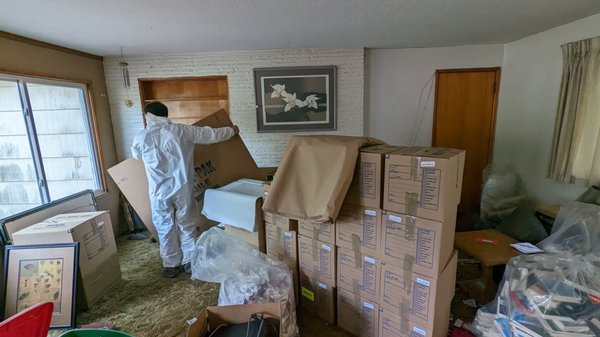
What Can Be Saved?
Hard, non-porous items like glass, metal, and plastic can usually be cleaned and disinfected. Soft goods like mattresses and pillows are probably a lost cause.
How to Clean and Dry Personal Items
- Wash clothing and linens in hot water
- Use sunlight to naturally disinfect items
- Freeze important paper documents to stop mold, then slowly dry them
When to Call the Pros
Signs the Damage Is Too Big to Handle Alone
- You can’t remove all the water within 24 hours
- Mold is already forming
- There’s visible structural damage
Benefits of Hiring a Professional Restoration Company
Professionals bring industrial-grade equipment and trained eyes to handle what you might miss. They ensure everything is completely dry, mold-free, and safe.
Choosing the Right Water Damage Cleanup Service
What to Look For in a Restoration Company
- 24/7 emergency service
- Licensed and insured technicians
- Positive customer reviews
- Free inspections and quotes
Why Saint Paul Restoration Pros Is Your Best Choice
At Saint Paul Restoration Pros, we specialize in fast, thorough water damage restoration. Based right here in Saint Paul, MN, we understand local weather, construction, and insurance processes. Plus, we’re available 24/7 to jump in when disaster strikes.
Visit us at: waterdamagerestorationsaintpaulmn.com
Preventing Future Water Damage
Regular Home Maintenance Tips
- Inspect your roof and plumbing regularly
- Clean out gutters and downspouts
- Check your sump pump and replace when needed
Install Water Leak Detectors
These handy gadgets alert you when water is detected in key areas like under sinks or behind appliances.
Upgrade Plumbing Where Necessary
If your pipes are outdated or showing signs of wear, upgrading can prevent costly damage down the road.
Conclusion
Water damage can feel overwhelming, but with the right knowledge and a quick response, you can minimize the impact and protect your home. Whether you tackle it yourself or bring in the experts, every second counts. Remember, prevention is just as important as cleanup; regular maintenance and early detection are your best tools.
And if things ever get too out of hand, don’t hesitate to call the pros. Saint Paul Restoration Pros is here to help you recover fast, clean up right, and get back to normal in no time.
FAQs About Water Damage Cleanup
1. How long does water damage cleanup take?
It depends on the severity. Minor damage may take 1–2 days, while major flooding could take a week or more, especially if mold remediation is involved.
2. Can I clean water damage myself?
Yes, if the damage is minor. But if there’s a lot of water, mold, or structural damage, it’s safer to hire professionals.
3. Is water damage covered by homeowners insurance?
It depends on the cause. Sudden events like burst pipes are usually covered. Slow leaks or flooding might not be; check your policy.
4. How soon does mold grow after water damage?
Mold can begin to grow within 24–48 hours, so acting quickly is critical.
5. What’s the cost of professional water damage restoration?
Costs vary widely, from $1,000 to $10,000 or more, depending on the extent of the damage, materials affected, and mold presence.